Sustainable travel doesn’t happen through big dramatic gestures. It happens through small habits repeated dozens of times per day, stacked across many trips and many years. The routines below take seconds individually and produce significant impact in aggregate.
The morning routine
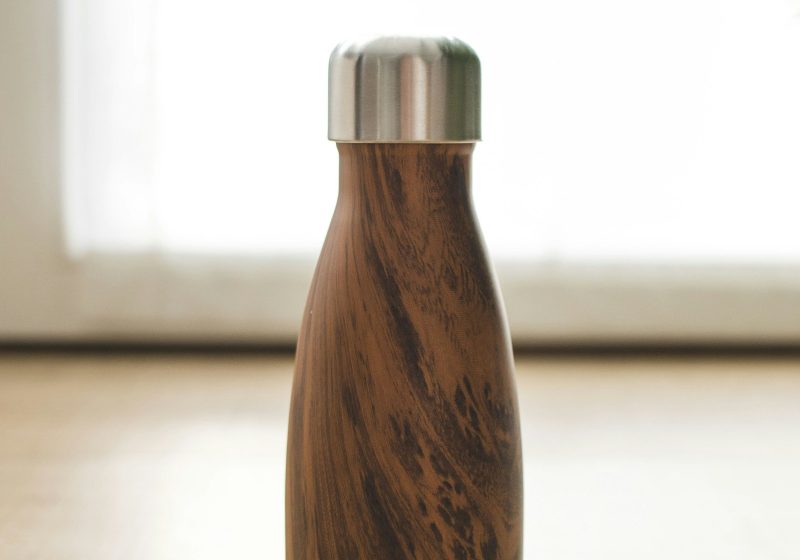
Fill the water bottle before leaving the room. Pack the reusable cup. Confirm the tote folded in the day pack. Check the day’s walking-friendly outfit. Pocket some small cash for tips and street purchases. These two minutes structure the rest of the day to avoid most single-use purchases.
The first-meal-of-day decision
Breakfast sets the tone. Eating at the hotel’s à la carte breakfast, or at a local bakery, beats the buffet. A coffee in a reusable cup beats a takeaway disposable. A piece of fruit from yesterday’s market beats a packaged airport snack.
For more on this, see our companion piece on Reusable Water Bottles: Why They Matter More Than You Think.
The walk-vs-taxi decision
Each time the question comes up, for short trips under 2 km, walking almost always wins on time, money, and impact. The habit of defaulting to walking, with transit for longer trips and taxis as exception, eliminates most casual emissions across a week.
The “no thank you” reflex
Said calmly at every interaction where single-use items are offered: bags, straws, extra napkins, brochures, individually-wrapped condiments. The first day feels overly conscious; by day three it’s reflex. The cumulative reduction is significant.
Daily eco-habits that stack
- Refill water bottle every morning
- Pack reusable cup, tote, cutlery daily
- Default to walking under 2 km
- Eat one local meal per day
- Refuse single-use items politely
- Use the room mini-fridge for leftovers
- Charge devices once per day, not continuously
- Turn off lights and HVAC when leaving
- Plan tomorrow’s walking route before bed
- Use the same café for two mornings in a row
If you want to go deeper on a related angle, our piece Sustainable Toiletries vs Hotel-Provided Ones: What to Do picks up where this one leaves off.
The evening review
Two minutes before bed: did I refuse anything I shouldn’t have? Did I forget the water bottle? Did the trash pile in the room collect unexpectedly? Brief honest review accelerates habit formation more than any guide can.
What this looks like the morning of departure
Three lived examples where the pattern becomes obvious. Each is a composite of two or three trips, chosen because the pattern repeats.
The plastic-free city day
A full day in a city you’ve never visited, using only your reusable bottle, reusable cup, tote, and cutlery. By evening you’ve generated essentially no single-use waste. The day didn’t feel restricted; it felt clean. You realize how unnecessary most of what you would have used was.
The family low-waste trip
A family of four on a one-week European trip, each member with their own reusable bottle and snack pouch. Apartment rental with kitchen for breakfasts and one dinner per day. The total trip waste is a fraction of the conventional version. The kids treat the practice as normal because everyone around them does.
The week with no bottled water
Seven days in a country with safe tap water using only refillable bottles. Roughly 25 plastic bottles avoided in one week. The water tastes the same; the savings are real. The habit becomes so automatic by the end of the week that you barely notice it.
How the practice pays back
The work of sustainable travel happens in the small interactions: the polite refusal at the corner shop, the question to the server about tap water, the choice to walk rather than taxi. Each of these is a tiny rebellion against default mode. None of them takes much effort. Together, repeated across a trip and across a year, they produce a measurable change.
The financial savings are also real. Bottled water at airports often costs $4-6 per bottle; a $25 reusable bottle pays back within a week of frequent travel. Takeaway coffee cups are charged for separately at many cafés now; a reusable cup is a quiet 10-25 cent discount each time. The math is in your favor.
The one line for a sticky note
Make the habits invisible to yourself. The reusable bottle lives in your day pack permanently. The reusable cup hangs from a clip on the outside. The folding tote stays in the side pocket. When the gear is just there, the habit doesn’t require a daily decision. The decision was made once; the practice continues automatically.
A quiet parting note
The best argument for sustainable travel isn’t moral; it’s experiential. The trips done this way tend to be better trips. Slower mornings. Deeper conversations. More memorable meals. Less stress at the airport. The eco-impact is the bonus; the better experience is the point.
Want to keep reading? Try How to Engage With Local Communities Respectfully (Beyond Surface Tourism) next, it’s one of the most-read pieces we’ve published on this theme.
Frequently asked questions
How long until eco habits feel natural?
Most travelers report the habits feeling automatic within 5-7 days. The first few feel deliberate; by the end of the first trip, they're reflexive.
What if I forget?
It's fine. Sustainability that requires perfection isn't sustainable. Forget today, remember tomorrow. The pattern matters more than any single day.
Are these habits exhausting?
Initially mildly. Established, they're lighter than the alternative, fewer hassles with garbage, less waste collected, more direct local connection.
How do I keep up the routines back home?
Most travel habits work even better at home where you have more control. The reusable bottle, the no-bag refusal, the walking default, all transfer.
Is it discouraging when others don't practice these habits?
Sometimes. Lead by example without lecturing. Many travelers notice and adopt habits they see others practice naturally.