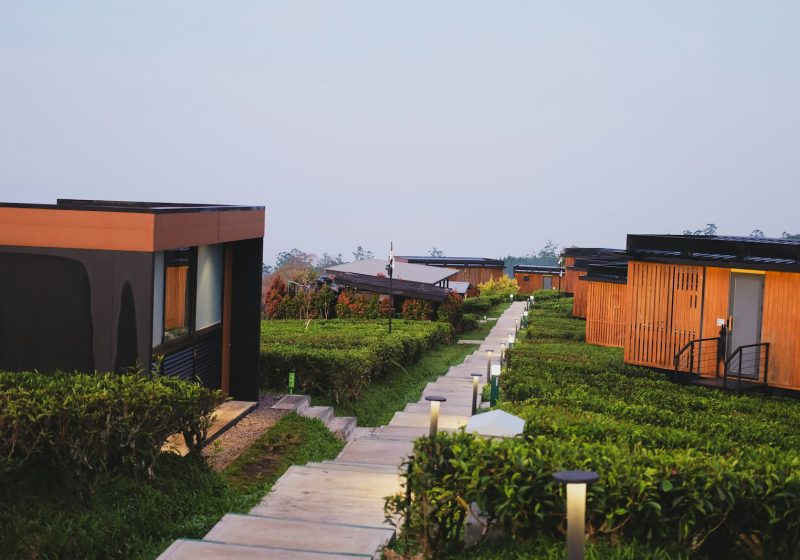
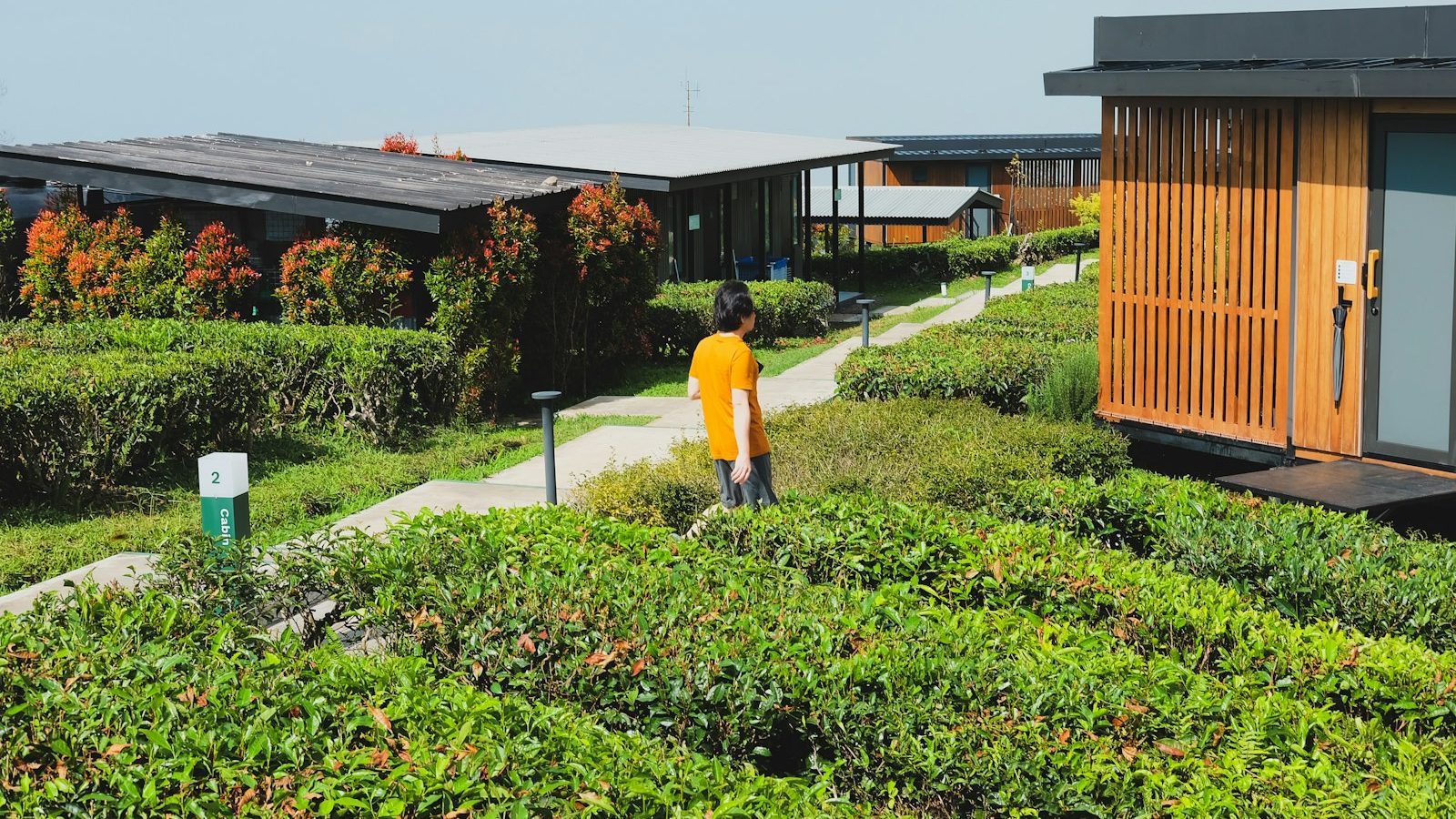
The label “eco-resort” covers a wide spectrum, from properties that have genuinely rebuilt themselves around sustainability to ones that have only changed the marketing. Understanding what the substantial differences look like helps you read past the label.
Energy systems
A genuine eco-resort runs on a substantial share of renewable energy, typically 60% or more, with the remainder offset through verified programs. The traditional hotel runs on grid power, supplemented occasionally by token solar. The infrastructure cost is significant, which is why most properties only commit when ownership genuinely cares.
Water
Eco-resorts treat water as a central design constraint. Rainwater harvesting, greywater recycling, low-flow fixtures, sometimes constructed wetlands for treatment. Traditional hotels typically use municipal water for everything, with little reuse. In water-scarce destinations the difference is dramatic.
For more on this, see our companion piece on Sustainable Accommodation on a Budget: Real Options for Every Traveler.
Food sourcing
Eco-resorts usually publish a list of suppliers within a defined radius, often 100 km. Many run on-site gardens or partnerships with local farms. Traditional hotels source through wholesale catering distributors, with food traveling hundreds of kilometers. The taste difference alone is noticeable; the carbon difference is substantial.
Architecture and building life
Many eco-resorts are built from local, low-impact materials with passive design principles, orientation for shade, natural ventilation, thermal mass. They’re designed to require less heating and cooling year-round. Traditional hotels typically run on engineered HVAC year-round with little design integration.
Side-by-side: the markers that distinguish them
- Energy: renewable share over 60% vs grid default
- Water: greywater + rainwater systems vs municipal only
- Food: named local suppliers vs wholesale distribution
- Architecture: passive design vs HVAC default
- Staff: locally hired with training vs seasonal contracts
- Waste: composting + recycling streams vs landfill
- Transparency: published sustainability reports vs marketing pages
If you want to go deeper on a related angle, our piece Eco-Friendly Airbnbs and Short-Term Rentals: How to Choose Well picks up where this one leaves off.
Staff and community integration
Eco-resorts often emphasize local hiring with training programs, sometimes operating their own staff housing or schools. Traditional resorts are more likely to use seasonal contracts and centralized management staffing. The community integration shows in the experience, eco-resorts feel rooted, traditional resorts feel transplanted.
How this looks on real trips
Three quick scenarios where these principles land on the ground. They are lightly fictionalised composites of trips we have done, so we can talk about specifics without exposing anyone.
The city eco-hotel for a short stay
A two-night urban stay at a Green Key certified property close to public transit. Bulk dispensers in the bathroom. Locally-sourced breakfast. A sustainability page that lists named suppliers. The mid-range cost is comparable to a standard chain hotel; the difference is the operations behind it.
The small-city long stay
A week at one base in a small European city. A family-run guesthouse near the train station. Breakfast on the patio in the mornings. Markets two streets away for groceries. Walking everywhere. By day four, the staff recognize you and the trip starts to feel almost local.
The eco-lodge anchor trip
A week at a certified eco-lodge as the centerpiece of a longer trip. Per-night cost is higher but funds genuine conservation work. The trip is structured around the lodge and a few smaller stays nearby. Total impact is lower than scattering across many short stays.
What this looks like over a year of travel
Choosing where to sleep is, in many ways, choosing what kind of trip to have. A faceless international hotel produces one kind of memory, efficient, replaceable, mostly forgotten within a few months. A small guesthouse run by a family who shares breakfast on their terrace produces a different kind. The latter takes slightly more effort to find; it almost always rewards the effort.
The chain hotel and the eco-property aren’t always opposites. Several large groups are doing genuine sustainability work, particularly at flagship properties. The honest evaluation isn’t brand-based; it’s property-based. Read the specific property’s sustainability report. Look at the specific year-over-year improvements. Brand reputation is a starting point, not a verdict.
One line to carry forward
The first hour of any new accommodation tells you most of what you need to know. Walk in slowly. Notice the textures. Listen to how the staff greet you. Notice whether the lobby feels lived in or arranged. The signals are reliable and they shape every choice you’ll make for the rest of the stay.
A last note before you plan
The honest version of sustainable travel isn’t about achieving some pristine version of perfection. It’s about doing what works, repeatedly, and watching how the small choices compound across years of trips. Start with the easiest habit. Then add the next. And the next. Eventually you’ll travel without thinking about most of this, and the trips will be better for it.
Want to keep reading? Try The Best European Train Routes for Sustainable Travel next, it’s one of the most-read pieces we’ve published on this theme.
Frequently asked questions
Do eco-resorts compromise on comfort?
Genuine ones don't. Modern passive design, high-efficiency systems, and local food usually produce a better stay, not a worse one. Cheap "eco-resorts" can feel underbuilt; quality ones do not.
Are eco-resorts always expensive?
They tend to be more expensive than budget hotels but comparable to or cheaper than mid-range and luxury resorts. The premium reflects real infrastructure costs.
How do I verify the energy claims?
Ask for the property's most recent sustainability report. Properties making the investment publish the numbers because they're proud of them.
What about boutique hotels in cities?
Urban "eco-boutiques" follow similar principles but with different priorities, heat recovery, smart HVAC, locally-sourced restaurants. Many small urban properties do excellent work.
Do eco-resorts give back to conservation?
Many do. Conservation contributions are a common feature, especially for resorts near sensitive ecosystems. Look for specific programs with verified outcomes.