Single-use plastic is woven so tightly into modern travel that going entirely without it is hard. But going substantially without it, eliminating 80-90% of what would normally accumulate, is genuinely achievable with a handful of habits. Most of the work is decided before you ever leave home.
Identify your biggest single-use sources
For most travelers, the big four are: bottled water, takeaway coffee cups, packaged snacks, and hotel toiletry bottles. Addressing these four covers the vast majority of personal plastic waste on any trip. Smaller items (straws, plastic cutlery, shopping bags) add up but the big four are where the real volume lives.
Bottled water: the single biggest target
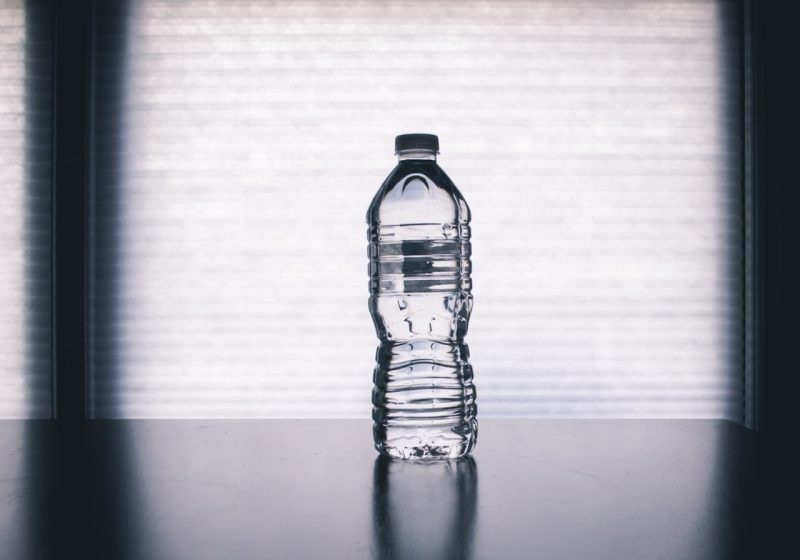
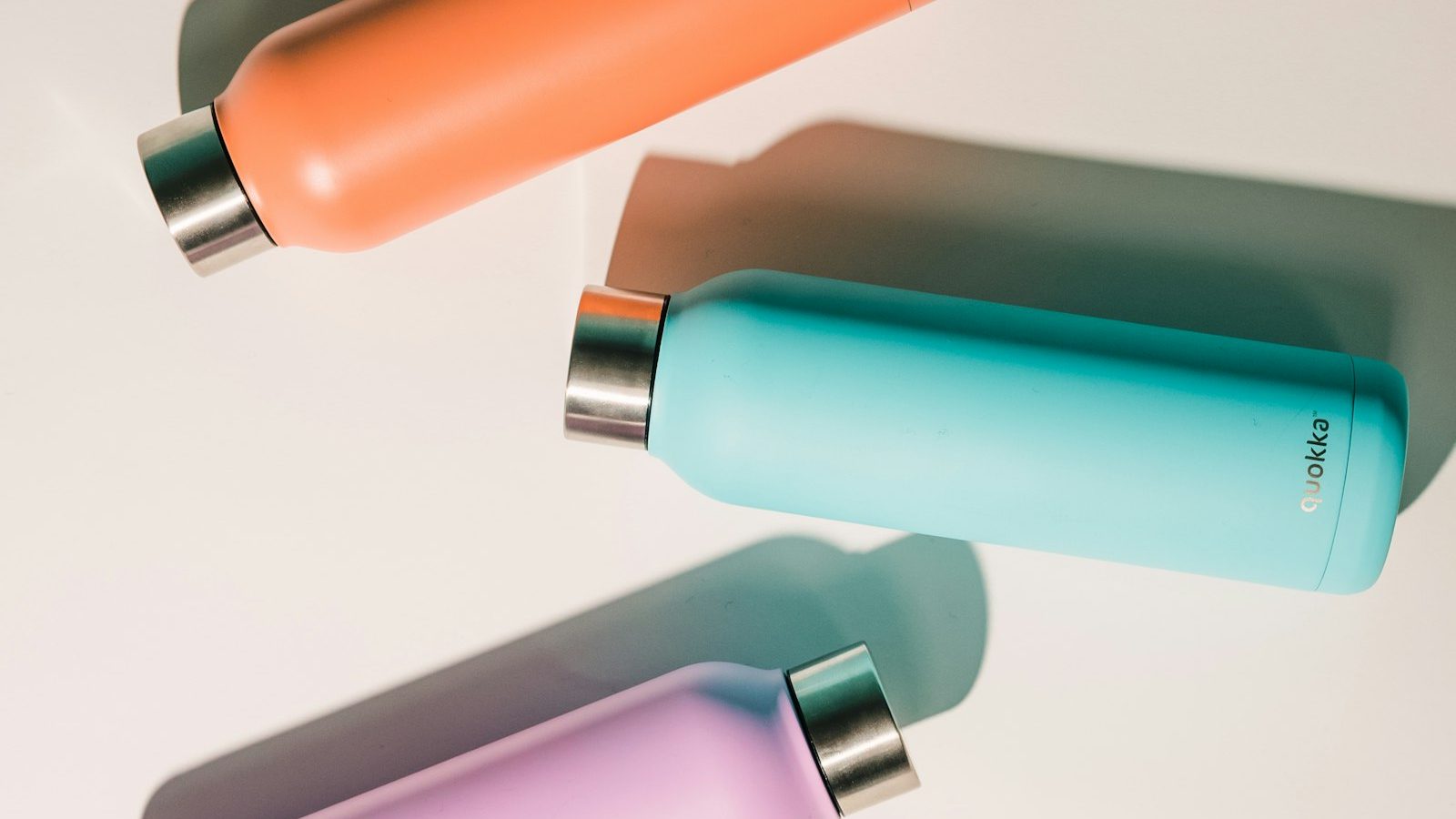
A refillable bottle plus knowledge of where to refill replaces 30-60 plastic bottles on a typical multi-week trip. In tap-safe countries, this is trivial. In tap-unsafe countries, a small bottle-mounted filter or a refillable bottle filled from large jugs at the hotel works. Even in challenging countries, near-elimination is possible.
For more on this, see our companion piece on Green Cleaning While Traveling: Wipes, Sprays, and Better Options.
Pack a small reusable kit
A reusable shopping tote (replaces dozens of plastic bags), a collapsible coffee cup (replaces takeaway cups), a metal or bamboo cutlery set (replaces plastic cutlery), and a small silicone container (replaces takeaway boxes). Together these weigh under 300 grams and replace hundreds of single-use items per year.
Polite refusal works
Saying “no straw please” or “no plastic bag, thank you” repeatedly, calmly, in any language, works in most places. The first time is mildly awkward; by the tenth time it’s natural. Some refusals don’t work perfectly, items arrive wrapped anyway, but the cumulative reduction is significant.
The plastic-free travel kit
- Refillable water bottle (insulated, screw lid)
- Bottle filter for tap-unsafe countries
- Collapsible coffee cup
- Two cotton produce bags
- A reusable shopping tote that folds tiny
- Bamboo or stainless cutlery set
- One silicone food container
- Solid toiletries (no liquid bottles)
- Beeswax food wraps in two sizes
- A few cloth napkins (replace paper)
If you want to go deeper on a related angle, our piece How to Handle Laundry Without Waste While Traveling picks up where this one leaves off.
Plan ahead for known difficulties
Long flights, certain countries, certain types of food vendor, these are reliable single-use plastic sources. Plan for them. Pack snacks from home for the flight. Bring your own water filter for countries with unsafe tap. Accept that some single-use items will be unavoidable and focus on reducing the avoidable ones.
How this looks on real trips
Three quick scenarios where these principles land on the ground. They are lightly fictionalised composites of trips we have done, so we can talk about specifics without exposing anyone.
The plastic-free city day
A full day in a city you’ve never visited, using only your reusable bottle, reusable cup, tote, and cutlery. By evening you’ve generated essentially no single-use waste. The day didn’t feel restricted; it felt clean. You realize how unnecessary most of what you would have used was.
The week with no bottled water
Seven days in a country with safe tap water using only refillable bottles. Roughly 25 plastic bottles avoided in one week. The water tastes the same; the savings are real. The habit becomes so automatic by the end of the week that you barely notice it.
The long-haul flight done lightly
A 10-hour flight with snacks packed from home, a reusable bottle filled at the gate water station, declined cabin water bottles in favor of refills, wired earphones instead of disposable ones. The total flight waste from your seat: a small wrapper and a napkin.
What this looks like over a year of travel
There’s a meditative quality to low-waste travel. You become aware of what you accept and what you refuse. The default routine of modern travel, accept everything offered, gives way to a more conscious one. The trip becomes a series of small decisions made deliberately. This is, oddly, part of what makes the practice feel rewarding rather than burdensome.
The aggregate matters here in a way that’s easy to miss. Single-use plastic is a personal problem multiplied across millions of small users. Each individual refusal seems trivial; together, the refusals accomplish what no regulation has managed. Industries are responsive to consumer demand more than to advocacy alone. Visible, consistent refusal at scale is one of the most effective levers ordinary people have.
One line to carry forward
Make the habits invisible to yourself. The reusable bottle lives in your day pack permanently. The reusable cup hangs from a clip on the outside. The folding tote stays in the side pocket. When the gear is just there, the habit doesn’t require a daily decision. The decision was made once; the practice continues automatically.
A last note before you plan
The honest version of sustainable travel isn’t about achieving some pristine version of perfection. It’s about doing what works, repeatedly, and watching how the small choices compound across years of trips. Start with the easiest habit. Then add the next. And the next. Eventually you’ll travel without thinking about most of this, and the trips will be better for it.
Want to keep reading? Try Eco-Lodges Around the World Worth Visiting on Your Next Trip next, it’s one of the most-read pieces we’ve published on this theme.
Frequently asked questions
Is true zero-plastic travel possible?
Not strictly, some plastic is structural in modern travel (boarding passes occasionally have plastic windows, certain medicines come in blister packs). But 80-95% reduction is achievable.
What about countries where tap water isn't safe?
A reliable bottle-mounted filter (LifeStraw, GRAYL, Sawyer) plus refilling from large jugs at hotels or hostels eliminates most bottled water. Filtration is the right answer for most travelers.
How do I refuse plastic politely?
Learn the phrase in the local language: "No plastic, thank you" or "No bag, thank you." Said calmly with a smile, it works almost everywhere.
Are biodegradable plastics OK?
Most "biodegradable" plastics require specific industrial composting facilities that often don't exist locally. Treat them as regular plastic for travel purposes.
What if I forget my reusables one day?
One day of single-use isn't a moral failure. Make a mental note for next time and move on. Sustainability that requires perfection isn't sustainable.