Sustainable travel with children is harder than solo or couple travel. Children produce more waste, have less patience for perfection, and bring different needs. The framework isn’t zero-waste family travel; it’s realistic, sustainable family travel that significantly reduces waste while staying manageable.
Set realistic goals
A family of four producing 60% less single-use waste than a typical family is doing brilliantly. Aim for the achievable, not for perfection. Three or four high-impact habits cover most of the reduction; the rest is fine to leave for another year.
Each child has their own bottle and snack pouch
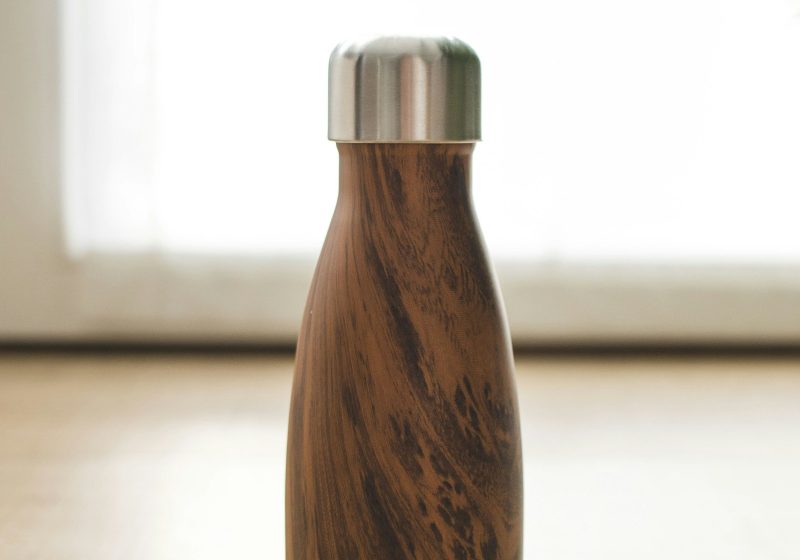
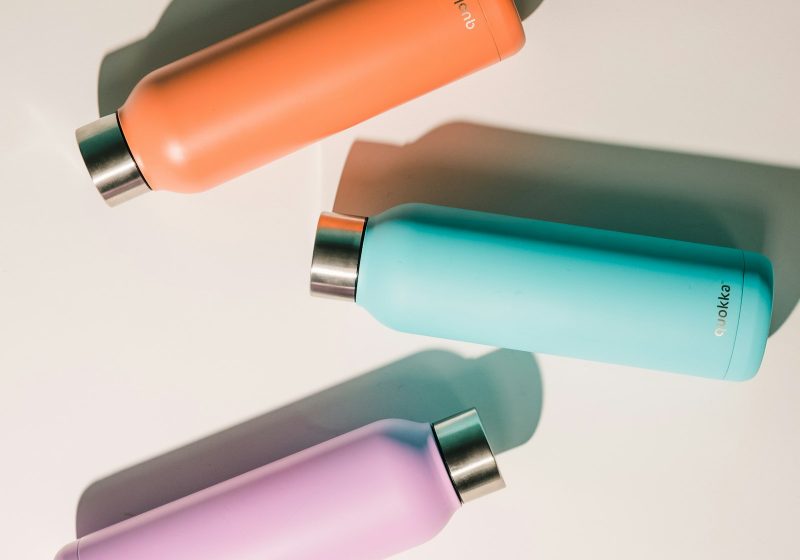
Pack each child their own labeled reusable water bottle and snack pouch. Refill at the same routine as adults. The novelty wears off; the function persists. Older kids enjoy the ritual of refilling at fountains and markets.
For more on this, see our companion piece on Reusable Water Bottles: Why They Matter More Than You Think.
Pack snacks heavily
Children get hungry unpredictably and dramatically. Packing twice as many home-prepared snacks as you think you need eliminates 80% of impulse single-use purchases. Trail mix, oat bars, fruit, cheese in beeswax wraps.
Choose accommodation with kitchens
Self-catering accommodation lets you prepare familiar foods, reduce restaurant waste, and have more flexibility. Apartment rentals and home stays often beat hotels for families on both budget and waste.
Family low-waste essentials
- A reusable bottle per family member
- A reusable snack pouch per child
- Beeswax wraps in various sizes
- A few silicone containers for leftover food
- A foldable shopping tote per parent
- Solid kid-friendly toiletries
- A small first-aid kit (basics)
- Wash detergent sheets for laundry
- Two or three labeled cloth bags for clean/dirty laundry
- A small reusable cloth for spills
If you want to go deeper on a related angle, our piece Low-Waste Restaurant and Café Habits That Cost Nothing picks up where this one leaves off.
Don’t fight the genuine needs
Some travel days with kids need wipes, single-use snacks, and convenience purchases. Accept these as exceptions, not failures. The goal is reduction across the whole trip, not perfection per moment.
What this looks like for a weekend away
Three ways the idea actually shows up on a real trip. Composites, not fiction: the specifics come from trips we have taken this year.
The long-haul flight done lightly
A 10-hour flight with snacks packed from home, a reusable bottle filled at the gate water station, declined cabin water bottles in favor of refills, wired earphones instead of disposable ones. The total flight waste from your seat: a small wrapper and a napkin.
The plastic-free city day
A full day in a city you’ve never visited, using only your reusable bottle, reusable cup, tote, and cutlery. By evening you’ve generated essentially no single-use waste. The day didn’t feel restricted; it felt clean. You realize how unnecessary most of what you would have used was.
The family low-waste trip
A family of four on a one-week European trip, each member with their own reusable bottle and snack pouch. Apartment rental with kitchen for breakfasts and one dinner per day. The total trip waste is a fraction of the conventional version. The kids treat the practice as normal because everyone around them does.
The knock-on effects on how you plan next time
Habits beat heroics. A traveler who refuses one plastic bag per day, every day, produces more total waste reduction than a traveler who has one perfect zero-waste trip per year and forgets the habits in between. Consistency is the entire game. Small habits compound across years in ways that single dramatic gestures do not.
Plastic that escapes the waste stream ends up somewhere. A bottle dropped at a beach travels with the currents. A bag that blows out of a bin during collection ends up in the same drainage that eventually reaches the ocean. The traveler who reduces what they consume reduces what eventually ends up in places no one wanted it to be. The chain from refusal to outcome is direct.
The heart of it, in one line
Make the habits invisible to yourself. The reusable bottle lives in your day pack permanently. The reusable cup hangs from a clip on the outside. The folding tote stays in the side pocket. When the gear is just there, the habit doesn’t require a daily decision. The decision was made once; the practice continues automatically.
One more note for the trip ahead
If this article persuaded you to try one thing on your next trip, that’s the right outcome. Don’t try everything. Don’t aim for perfection. Try one thing. See how it feels. Add the next when the first is automatic. The practice builds itself across years, and looking back, the difference is dramatic.
Want to keep reading? Try Planning Your First Eco-Friendly Trip: A Step-by-Step Guide next, it’s one of the most-read pieces we’ve published on this theme.
Frequently asked questions
What about reusable diapers on trips?
Practical at home; harder on the road. The laundry burden often pushes traveling families to use disposables. The math is mixed; flexibility wins.
How do I handle children's food preferences?
Bring familiar snacks from home for emergencies; try local foods for fresh meals. Forcing total adoption of local food rarely works; integrating slowly does.
Are kids old enough to participate?
Children as young as 4 can carry their own water bottle and snack pouch. By 7 or 8 they can fully participate in eco-habits and often become enthusiastic ambassadors.
What about reusable wipes for kids?
Cloth wipes plus a small spray bottle of water work for most situations. Disposable wipes remain useful for specific moments (long bus rides, certain emergencies).
How do I avoid souvenir clutter from kids?
A small budget per child for one chosen item, taught early. Children adapt to "one good thing" surprisingly well.