Choosing a piece of luggage you’ll use for the next decade is one of the most consequential purchases you can make as a traveler. The wrong choice ends up in landfill within three years. The right one becomes the bag you reach for through a hundred trips, slowly developing the scuffs of a real life lived through it.
What “sustainable luggage” actually means
There are two main claims in this category. The first is materials, recycled polyester, recycled aluminum, bio-based plastics, or natural canvas. The second is longevity, guarantees that the bag will be repaired or replaced if it fails. The honest brands lead with longevity. Materials matter, but a five-year bag in recycled polyester is worse for the planet than a fifteen-year bag in virgin nylon.
Soft shell vs hard shell
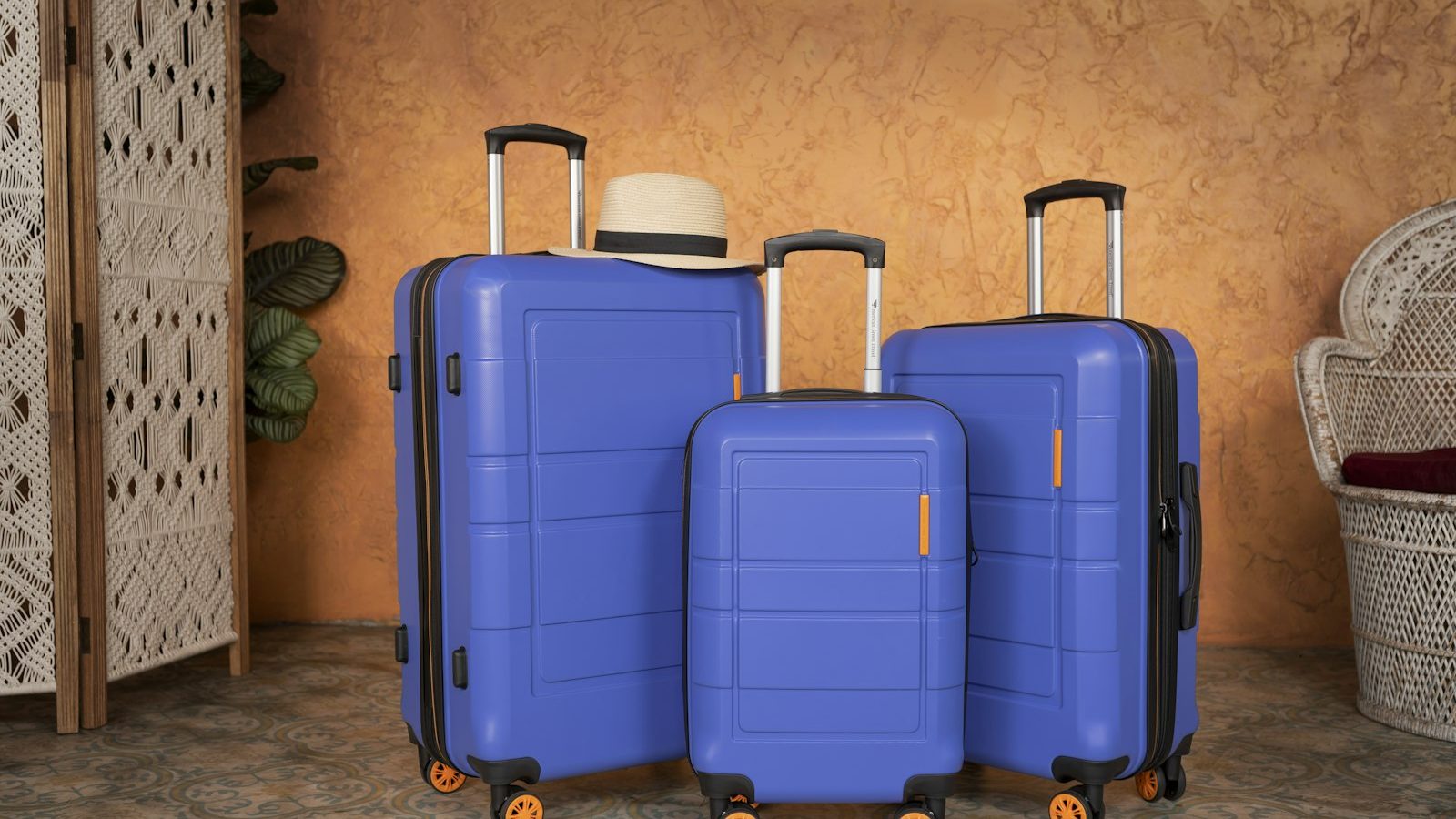
Soft-shell bags compress, expand, and are usually lighter. Hard-shell bags protect contents better and resist water and dirt. For a typical week or two carry-on, soft is more versatile. For longer trips with electronics or wine you’re bringing back, hard is worth the extra weight. Both can be sustainable choices; the choice depends on how you actually travel.
For more on this, see our companion piece on Lightweight Travel Without Buying a Single New Item.
The repair warranty test
Before buying any travel bag, search for the brand’s repair policy. Reputable makers, Patagonia, Osprey, Tortuga, Tom Bihn, Patagonia Black Hole, and several smaller specialists, will repair almost any failure for the lifetime of the bag, often for free or a token shipping fee. Brands that don’t offer this are signaling that their product is not designed to last a decade.
Wheels: the most common failure point
If you’re buying a wheeled bag, the wheels are the part that will go first. Look for bags with replaceable wheels and a publicly listed parts catalog. The difference between a bag with a $5 replaceable wheel and one with a sealed, non-replaceable wheel assembly is the difference between fifteen years and three.
Brands with strong sustainability track records
- Patagonia Black Hole series (recycled materials, lifetime guarantee)
- Osprey (any wheeled or backpack model, lifetime All Mighty Guarantee)
- Tom Bihn (USA-made, generous repair, no fast fashion churn)
- Tortuga (carry-on focus, recycled fabrics, strong repair record)
- Cotopaxi (some recycled materials, repair program)
- Filson (heritage waxed canvas, decades of use, professional refurbishing)
- Topo Designs (durable, USA-made versions, recycled options)
If you want to go deeper on a related angle, our piece How to Choose the Right Travel Backpack (Without Buying Five) picks up where this one leaves off.
Avoiding overconsumption in this category
Travel luggage is one of the highest-margin categories in retail, and there’s heavy pressure to upgrade frequently. Resist. A well-bought bag does not need replacing every five years. Many travelers we know are still using the same primary backpack from a decade ago. Your travel kit does not need to be new to be excellent.
How this looks on real trips
Three quick scenarios where these principles land on the ground. They are lightly fictionalised composites of trips we have done, so we can talk about specifics without exposing anyone.
The remote outdoor week
Hiking-focused trips need slightly different gear. Sturdy boots replace city shoes. A heavier weatherproof shell. A small first-aid kit gets larger. The total weight is higher but the variety lower. Most other principles still apply: one bag, layered clothing, solid toiletries.
The slow business trip
A few formal pieces in versatile colors. A laptop and the smallest practical kit. The work clothes work for evening too if you choose neutrals. The bag stays carry-on. The same kit handles a five-day business trip and adapts for one personal day on each end.
The two-week mixed-weather trip
A longer trip through varied climates. Three merino tops, two long-sleeve layers, one warm sweater, one shell. A neutral pair of trousers and one slightly more formal piece. Walking shoes plus sandals. Laundry mid-trip resets the wardrobe completely. The bag stays manageable on every transfer.
What this looks like over a year of travel
Packing for sustainability is also a small act of self-knowledge. The objects you choose to bring reveal what you actually depend on day to day. After a few trips with a carefully edited bag, a strange thing happens: the editing carries home. Closets get smaller. The wardrobe at home starts to resemble the wardrobe in the suitcase. Sustainable packing is, quietly, sustainable living in miniature.
Consider the time you’ll save. Twenty minutes shaved off airport check-in. Ten minutes faster at every train station transfer. Five minutes faster every morning unpacking the day’s outfit. Across a trip, the cumulative time savings of a smaller, well-organized bag are real, usually a half-day per week.
One line to carry forward
What stays in the closet matters as much as what goes in the bag. Each item you leave home is one less thing to track, repack, and replace. The discipline of leaving things behind becomes its own travel skill, eventually one of the most useful ones.
A last note before you plan
The honest version of sustainable travel isn’t about achieving some pristine version of perfection. It’s about doing what works, repeatedly, and watching how the small choices compound across years of trips. Start with the easiest habit. Then add the next. And the next. Eventually you’ll travel without thinking about most of this, and the trips will be better for it.
Want to keep reading? Try Electric Vehicle Rentals: A Practical Guide for Eco-Conscious Travelers next, it’s one of the most-read pieces we’ve published on this theme.
Frequently asked questions
Is recycled polyester actually better?
Marginally, in terms of upstream emissions, but it still sheds microplastics in wash. The bigger win is longevity. A long-life virgin polyester bag often beats a short-life recycled one.
Are leather bags ever the sustainable choice?
High-quality vegetable-tanned leather can last decades, age beautifully, and be repaired indefinitely. The supply chain has serious water and chemical issues though, so quality of source matters a lot.
What about hard-shell aluminum bags?
Aluminum bags are durable, repairable, and infinitely recyclable in theory. They’re also heavy and expensive. For frequent fliers who need bulletproof protection, they make sense. For occasional travelers, they’re overkill.
How much should I expect to spend?
A genuinely lifetime-grade carry-on or backpack costs between $200 and $400 new. The amortized cost per trip across a decade is trivially low.
Where can I send old luggage to be recycled?
A few cities have textile recycling programs that accept bags. Otherwise, most luggage will end up in landfill. The best disposal is no disposal, pass it on, donate it, or get it repaired.