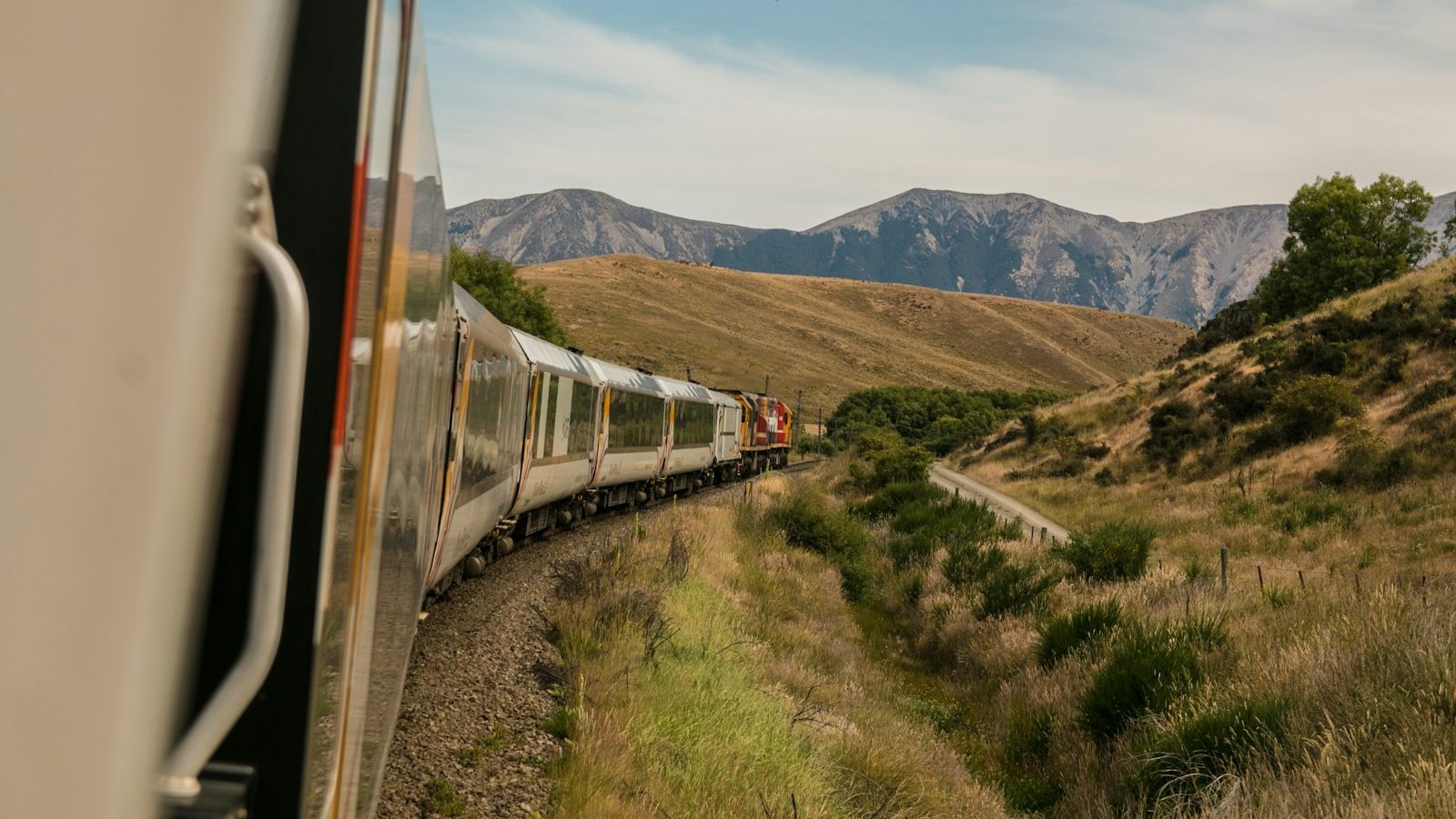
Europe’s rail network is a quiet miracle, over 200,000 kilometres of track, fast intercity services, charming regional lines, and a sleeper-train renaissance that has revived overnight routes long thought dead. Some of the most rewarding sustainable travel anywhere in the world starts at a European train station.
Paris to Barcelona: a high-speed classic
The Renfe-SNCF AVE high-speed service connects Paris to Barcelona in 6 hours 35 minutes through the south of France. The views of the Pyrenees from the right side of the train are extraordinary. Booked 8+ weeks ahead, the fare is often €60-80.
Bernina Express: Switzerland’s alpine showcase
From Chur to Tirano, the Bernina Express climbs through 55 tunnels and over 196 bridges, including the famous Brusio Spiral. It’s a UNESCO World Heritage railway. The journey is the destination, book in scenic-side seating.
For more on this, see our companion piece on How to Use Ride-Shares and Taxis Responsibly on Your Trip.
Glacier Express: a slow-train marvel
Zermatt to St Moritz over 8 hours, crossing 291 bridges and passing through 91 tunnels. The slowest express train in the world is also one of the most beautiful. Operate by Rhaetian Railway in summer; check seasonal closures.
Nightjet sleeper trains
The Austrian Federal Railways (ÖBB) Nightjet network connects most European capitals overnight. Vienna-Brussels, Munich-Rome, Hamburg-Zurich, and many more. You sleep, you save a hotel night, you arrive ready to walk into the day. Private compartments start around €120, couchettes around €60.
Train routes worth planning a trip around
- Paris-Barcelona AVE high-speed
- Bernina Express, Chur-Tirano
- Glacier Express, Zermatt-St Moritz
- Flåm Railway, Norway
- Belmond Royal Scotsman (luxury, multi-day)
- Centovalli Railway, Locarno-Domodossola
- Caledonian Sleeper, London-Highlands
- Nightjet, Vienna-Brussels
- Trenino Verde, Sardinia (narrow-gauge heritage)
- Cinque Terre regional, Italy
If you want to go deeper on a related angle, our piece Long-Distance Bus Travel: The Overlooked Low-Carbon Option picks up where this one leaves off.
Caledonian Sleeper: London to the Highlands
London to Inverness or Fort William, with onboard restaurants and proper bedding. You go to sleep in Euston and wake up looking at Highland lochs. The route reopened with refurbished trains a few years ago and is consistently booked solid in summer.
How this looks on real trips
Three quick scenarios where these principles land on the ground. They are lightly fictionalised composites of trips we have done, so we can talk about specifics without exposing anyone.
The sleeper train chain
Two sleeper trains across a longer trip. You go to sleep in one city and wake up in another. You skip two hotel nights and two travel days. The cost is comparable to economy flights plus hotels. The story is dramatically better.
The bike-supplement trip
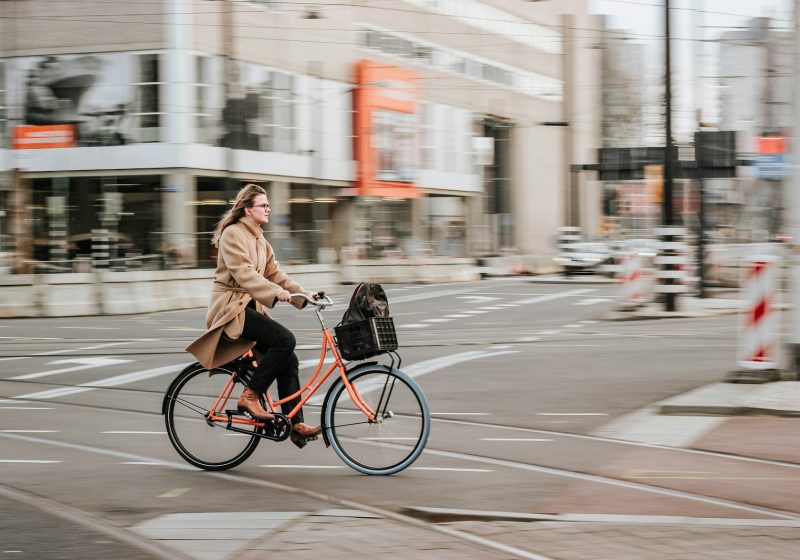
A week in a cycle-friendly European city using a rental bike as the primary local transport. The metro fills gaps; walking covers short distances. Daily emissions essentially zero. The city reveals itself differently at bike pace.
The rail-only European week
A trip beginning and ending by Eurostar, with intercity rail between three small bases. No flights, no rentals, no taxis. Total emissions roughly 90% lower than the equivalent flight-and-rental version. Total cost slightly lower. Total experience much richer.
What this looks like over a year of travel
Slow transport is often where the most interesting conversations happen. The seatmate on a six-hour train. The bus driver who has the patience to chat. The person at the café during a long layover. These low-pressure encounters are where travel’s randomness shows up best, and where you collect the stories you tell years later.
The economics of sustainable transport almost always favor the traveler. Trains booked in advance are usually cheaper than equivalent flights once you include airport transfers, baggage fees, and food. The cost savings often exceed the time cost of choosing rail. The total trip experience is almost always better.
One line to carry forward
Try one rail trip on the route you would normally fly. Compare them honestly, including airport time, transfers, security, and the wasted time at the gate. Most travelers come away from the comparison surprised at how favorable rail looks, and they continue choosing it on subsequent trips.
A last note before you plan
The honest version of sustainable travel isn’t about achieving some pristine version of perfection. It’s about doing what works, repeatedly, and watching how the small choices compound across years of trips. Start with the easiest habit. Then add the next. And the next. Eventually you’ll travel without thinking about most of this, and the trips will be better for it.
Want to keep reading? Try Sustainable Booking Habits That Reduce Your Travel Footprint Before You Arrive next, it’s one of the most-read pieces we’ve published on this theme.
WanderEthic publishes long-form, field-tested guides for travelers who want their trips to feel lighter on the world, without losing any of the wonder. Browse our six editorial pillars to find the next idea worth packing.
Frequently asked questions
Are Eurail and Interrail passes worth it?
For multi-country trips with 5+ rides, usually yes. For single-route trips, single tickets booked early are cheaper. Use the Eurail price calculator to check.
How do I book sleeper trains?
Direct on the ÖBB website for Nightjet, on TrainOSE for Greek services, on Caledonian Sleeper's site for the UK. The major aggregators don't always show sleeper inventory accurately.
Can I bring bikes on European trains?
Yes, with varying rules and small fees. Some routes require advance reservation for bicycles. Check the operator's page for your specific route.
What about luggage?
European trains have generous luggage allowances. Most have racks above seats plus dedicated luggage shelves. Two large bags per traveler are universally fine.
Are first-class tickets worth the difference?
First class on most European trains is 30-60% more expensive for slightly better seats. Standard class is perfectly comfortable on every route we've named.