
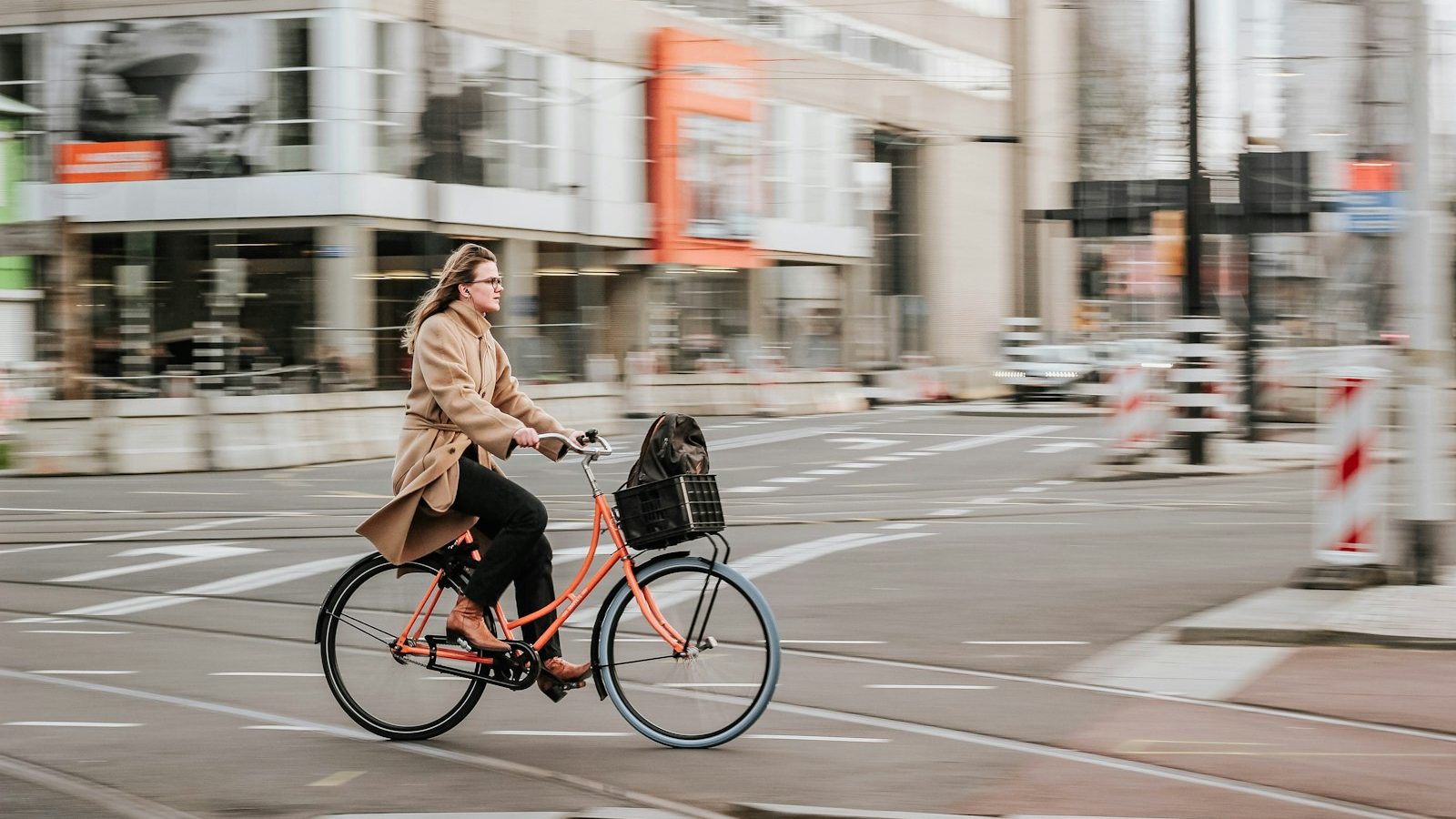
E-scooters and e-bikes have transformed last-mile transport in many cities. They’re also occasionally chaotic, sometimes dangerous, and have had real safety incidents that warrant care. Used thoughtfully, they’re one of the cleanest ways to cover medium distances in cities, and they’re a particularly good fit for unfamiliar visitors.
The use case they’re built for
E-scooters and e-bikes excel at the 2-8 km city journey, too far to walk comfortably, too short to justify a metro plus walking transfer. They’re also genuinely faster than transit for many trips, especially during off-peak hours when waiting times are long.
Safety: the genuine concern
E-scooter injury rates are significant, especially for first-time riders and on uneven surfaces. Always wear the helmet if rental includes one. Stay off the sidewalk in cities where it’s illegal (most). Practice in a quiet area before navigating traffic. Don’t ride at night without lights.
For more on this, see our companion piece on Long-Distance Bus Travel: The Overlooked Low-Carbon Option.
Choosing the right service
Major operators (Lime, Bird, Voi, Tier) generally maintain their fleets better than smaller competitors. The app shows battery level and recent reviews; choose well-rated vehicles. Avoid scooters that look damaged, even if they pass the app’s checks.
Cost and impact
Per-ride pricing has settled at around $1-2 to unlock plus $0.20-0.40 per minute. A typical 10-15 minute trip costs $3-7. The carbon footprint is low, typically 50-80% less than a ride-share for the same trip.
E-scooter and e-bike best practices
- Wear a helmet if available
- Practice for 5 minutes before navigating traffic
- Use bike lanes; stay off sidewalks where illegal
- Park properly to avoid obstructing pedestrians
- Check the vehicle for damage before starting
- Don’t ride after drinking
- Use lights at night
- Avoid cobbles and tram tracks
If you want to go deeper on a related angle, our piece Slow Travel: The Case for Going Fewer Places picks up where this one leaves off.
Where they don’t fit
Heavy luggage, multiple passengers, very hilly cities without e-assist, and cities with no infrastructure all limit usefulness. Ride-shares or transit are usually better in these cases.
What this looks like the morning of departure
Three lived examples where the pattern becomes obvious. Each is a composite of two or three trips, chosen because the pattern repeats.
The bike-supplement trip
A week in a cycle-friendly European city using a rental bike as the primary local transport. The metro fills gaps; walking covers short distances. Daily emissions essentially zero. The city reveals itself differently at bike pace.
The sleeper train chain
Two sleeper trains across a longer trip. You go to sleep in one city and wake up in another. You skip two hotel nights and two travel days. The cost is comparable to economy flights plus hotels. The story is dramatically better.
The rail-only European week
A trip beginning and ending by Eurostar, with intercity rail between three small bases. No flights, no rentals, no taxis. Total emissions roughly 90% lower than the equivalent flight-and-rental version. Total cost slightly lower. Total experience much richer.
How the practice pays back
Slow transport is often where the most interesting conversations happen. The seatmate on a six-hour train. The bus driver who has the patience to chat. The person at the café during a long layover. These low-pressure encounters are where travel’s randomness shows up best, and where you collect the stories you tell years later.
The economics of sustainable transport almost always favor the traveler. Trains booked in advance are usually cheaper than equivalent flights once you include airport transfers, baggage fees, and food. The cost savings often exceed the time cost of choosing rail. The total trip experience is almost always better.
The one line for a sticky note
Try one rail trip on the route you would normally fly. Compare them honestly, including airport time, transfers, security, and the wasted time at the gate. Most travelers come away from the comparison surprised at how favorable rail looks, and they continue choosing it on subsequent trips.
A quiet parting note
The best argument for sustainable travel isn’t moral; it’s experiential. The trips done this way tend to be better trips. Slower mornings. Deeper conversations. More memorable meals. Less stress at the airport. The eco-impact is the bonus; the better experience is the point.
Want to keep reading? Try How to Handle Laundry Without Waste While Traveling next, it’s one of the most-read pieces we’ve published on this theme.
Frequently asked questions
Are e-scooters legal everywhere?
No. Some cities ban them entirely; others have strict rules. Check the rental app, it usually shows local rules. Riding outside the geofence often disables the scooter automatically.
What about insurance?
Most operators include basic third-party insurance. Personal injury coverage is usually not included. Your own travel insurance may or may not cover scooter use.
How does the battery range work?
Most rental scooters and bikes have 20-40 km of range. The app shows current battery level. Plan to swap mid-trip if you have a long route.
Are e-scooters actually sustainable?
Modestly. The vehicles themselves are short-lived (1-2 years), and the operations involve trucks recharging them. The per-ride impact is still much lower than a car, though not as good as walking or biking.
Where do I park them?
Designated parking zones where available; otherwise, away from sidewalks, building entrances, and bike racks. Many cities are tightening rules, read the app instructions carefully.