Buses suffer from a reputation problem. The image is of cramped vehicles, broken seats, and seven-hour overnight journeys with bad lighting. Modern long-distance buses are not that. The European, Latin American, and increasingly North American long-distance bus networks have evolved into a genuinely pleasant, and very low-emission, way to travel.
The carbon math is excellent
A long-distance bus emits roughly 30 grams of CO₂ per passenger-kilometer, less than trains in many cases, dramatically less than flights, and far less than driving. Buses don’t have the infrastructure cost of trains, which means they reach more destinations.
European bus networks
FlixBus and BlaBlaCar Bus have built dense networks across Europe. Routes are extensive, fares are modest, and modern coaches include wi-fi, plug sockets, and reclining seats. A bus from Berlin to Prague costs around €15 and includes a substantial breakfast stop.
For more on this, see our companion piece on Cruises and Sustainability: What Travelers Should Know.
Latin American long-distance buses
Latin America has some of the best long-distance bus systems in the world. The cama (bed) class on services like Cruz del Sur (Peru), Andesmar (Argentina), and ADO (Mexico) include fully reclining seats, hot meals, and overnight bedding. The experience compares favorably to short-haul flights.
North American buses
Greyhound has improved, and Megabus offers basic but reliable service. Privately operated routes (FlixBus has expanded into North America) offer more comfort. Buses aren’t glamorous in North America but they’re reasonably reliable and substantially lower-carbon than driving alone.
Bus routes worth knowing
- FlixBus across Europe
- BlaBlaCar Bus (Western and Eastern Europe)
- Cruz del Sur (Peru, luxury overnight)
- Andesmar / Rutas del Sur (Argentina)
- ADO (Mexico, extensive network)
- TicaBus / Transnica (Central America)
- Greyhound USA
- Megabus North America
- National Express UK
- Eurolines (long-haul Europe)
If you want to go deeper on a related angle, our piece How to Reduce Flight Emissions Realistically (Without Quitting Flying) picks up where this one leaves off.
What to expect
Modern long-distance buses are quieter than expected. Wi-fi works most of the time. Restrooms exist. The main downsides are road traffic (variable journey times) and the need to manage your own meals on shorter routes. A book, headphones, and a substantial snack make any 6-8 hour bus journey comfortable.
What this looks like the morning of departure
Three lived examples where the pattern becomes obvious. Each is a composite of two or three trips, chosen because the pattern repeats.
The bike-supplement trip
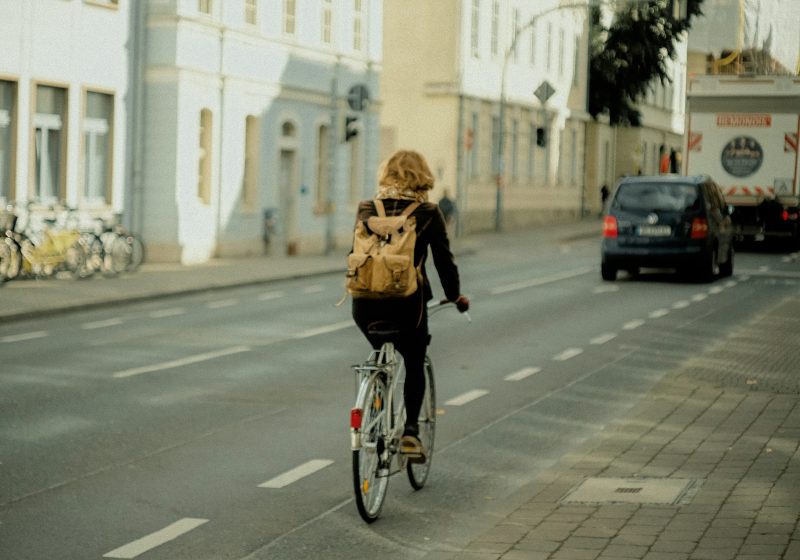
A week in a cycle-friendly European city using a rental bike as the primary local transport. The metro fills gaps; walking covers short distances. Daily emissions essentially zero. The city reveals itself differently at bike pace.
The sleeper train chain
Two sleeper trains across a longer trip. You go to sleep in one city and wake up in another. You skip two hotel nights and two travel days. The cost is comparable to economy flights plus hotels. The story is dramatically better.
The rail-only European week
A trip beginning and ending by Eurostar, with intercity rail between three small bases. No flights, no rentals, no taxis. Total emissions roughly 90% lower than the equivalent flight-and-rental version. Total cost slightly lower. Total experience much richer.
How the practice pays back
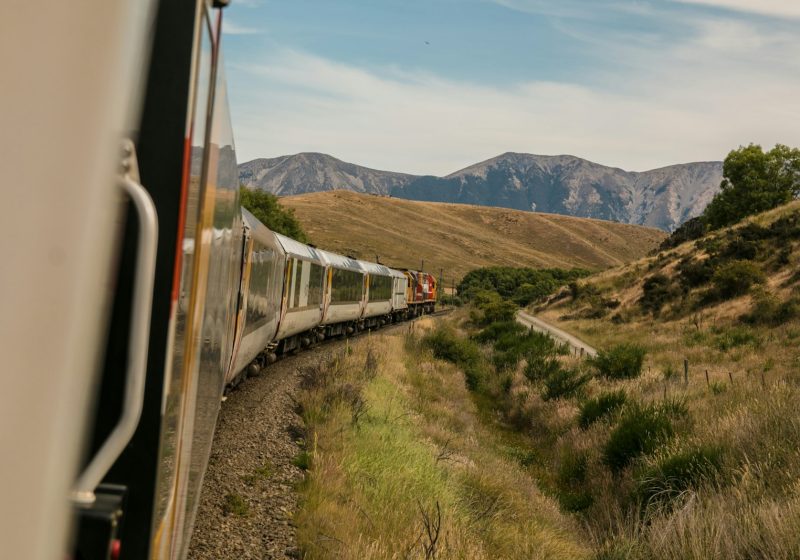
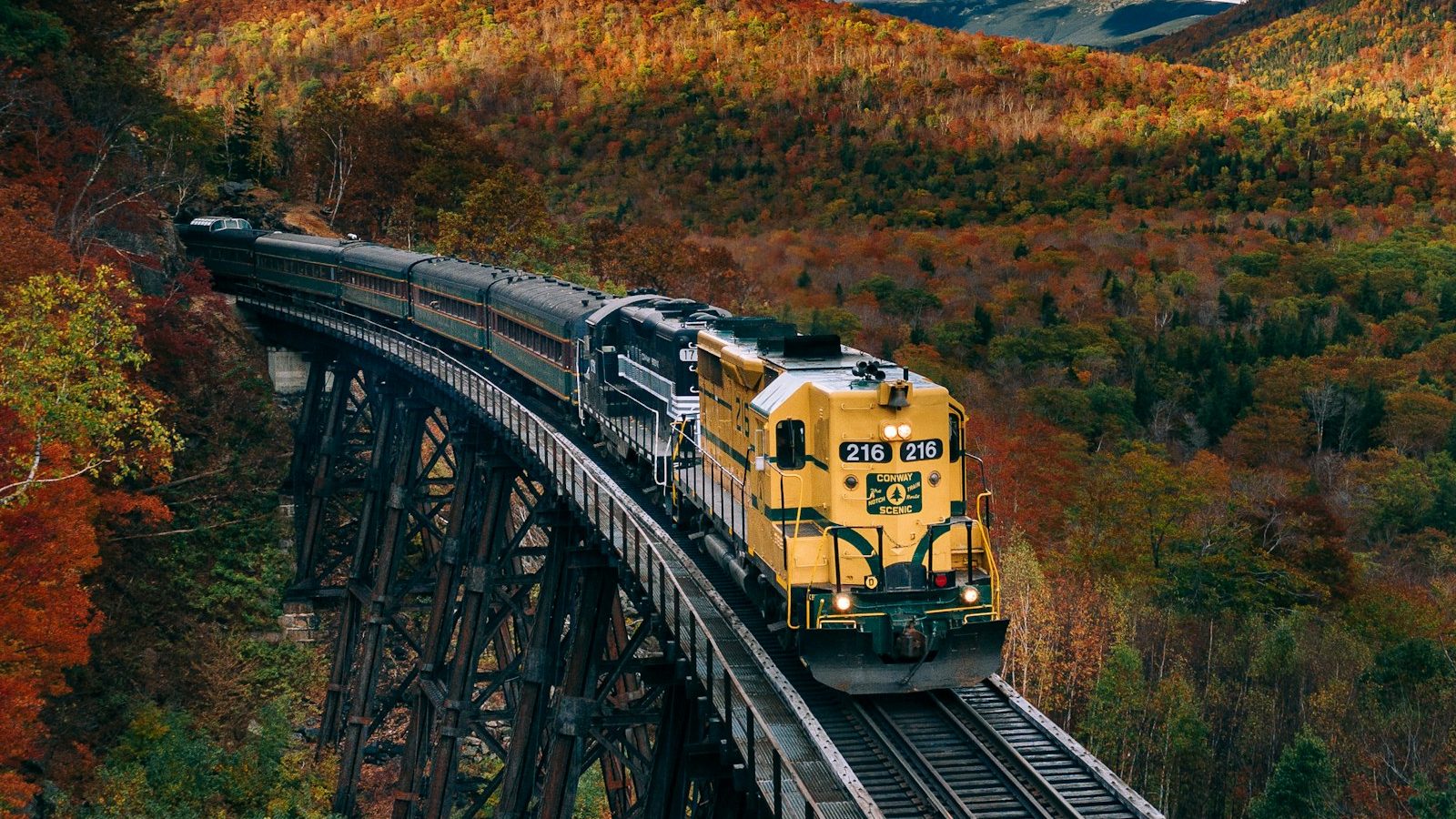
There is a particular pleasure to arriving at a destination by train that no flight can match. You watch the landscape change. You see the city’s outskirts approach. The architecture gradually shifts from one regional style to another. By the time you step off, you’ve already had two or three small encounters with the place. The trip has begun in a way the airport-and-taxi sequence never quite achieves.
There’s a network effect to choosing rail when possible. Every ticket signals demand. Every passenger choosing trains over short-haul flights nudges operators to add capacity, governments to invest in infrastructure, and competitors to match. The continued growth of European sleeper services in recent years was driven significantly by visible consumer demand.
The one line for a sticky note
Try one rail trip on the route you would normally fly. Compare them honestly, including airport time, transfers, security, and the wasted time at the gate. Most travelers come away from the comparison surprised at how favorable rail looks, and they continue choosing it on subsequent trips.
A quiet parting note
The best argument for sustainable travel isn’t moral; it’s experiential. The trips done this way tend to be better trips. Slower mornings. Deeper conversations. More memorable meals. Less stress at the airport. The eco-impact is the bonus; the better experience is the point.
Want to keep reading? Try Low-Impact Hotels in Major Cities: Where to Stay Without the Footprint next, it’s one of the most-read pieces we’ve published on this theme.
Frequently asked questions
Are buses always cheaper than trains?
Almost always. Bus tickets are typically 30-60% cheaper than equivalent train tickets. The trade-off is longer journey time.
Are overnight buses safe?
On reputable operators, yes. Trust well-known names with consistent reviews. Avoid cheap unbranded operators in unfamiliar countries.
How do I handle luggage on buses?
Most long-distance buses have generous luggage allowances. Personal items go with you on the bus; main luggage goes underneath. Tag everything with your name and destination.
What if the bus runs late?
Build buffer into your schedule for any bus connection. Buses are more variable than trains. A two-hour buffer at major transfers eliminates most stress.
Can I book buses last-minute?
Yes, often. Buses don't fill up as fast as trains. Even same-day bookings are usually possible, though prices rise closer to departure.