
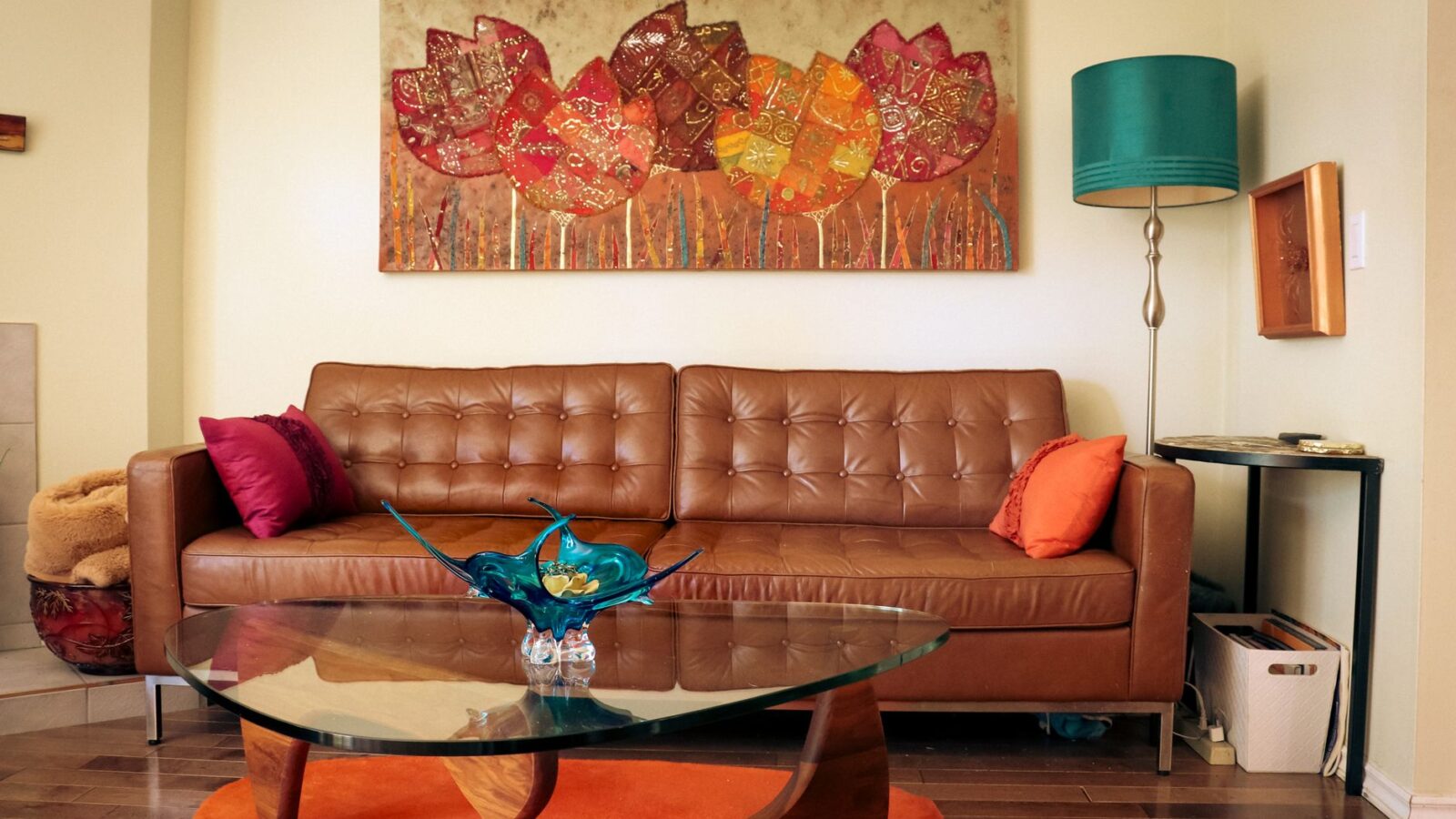
The house we watched in Ericeira, Portugal came with two rescue cats, a lemon tree that needed watering every third morning, and a landlord who left a handwritten list of the bakery’s opening hours taped to the fridge. The stay lasted 23 days. The cost of accommodation was zero. The carbon footprint was whatever the resident household would have produced anyway, minus the emissions of a hotel room heated, cleaned, and laundered on our behalf. That trade sits at the heart of why house-sitting for travelers has become one of the most quietly practical tools in slow, low-impact travel.
We want to be honest about what house-sitting is and is not. It is not free travel with no strings attached. It is a working arrangement built on trust, animal care, and the assumption that you will treat someone’s home better than they do. Done well, it lets you stay for weeks in a real neighborhood without adding a single new bed to the local tourism supply. Done badly, it strands a homeowner mid-holiday with a sick dog and no backup.
Why house-sitting fits low-impact travel
Short stays drive most of the environmental cost of tourist accommodation. A 2022 UNEP Emissions Gap Report flagged buildings and hospitality as one of the sectors where longer occupancy and lower turnover matter more than any single efficiency upgrade. Every check-in triggers a full laundry cycle, a deep clean, and often a fresh set of single-use toiletries. A three-week house-sit replaces roughly 21 hotel-night turnovers with one.
There is also the density argument. When we take over an existing home, we are not adding a room to the local housing market or nudging a landlord to pull a long-term rental into short-term listings. That distinction matters in places already strained by tourism, and it pairs well with the argument we made in Slow Travel: The Case for Going Fewer Places. Fewer flights, longer roots, less pressure on local rental stock.
How the platforms actually work
Three platforms dominate the English-language market: TrustedHousesitters, Nomador, and MindMyHouse. They all use the same basic loop: homeowner posts dates and duties, sitter applies with a profile and references, both sides interview by video call, and a written agreement follows. Membership fees run roughly $130 to $260 per year for sitters, which we mention because “free stays” only pencils out if you complete at least two or three sits annually.
What separates a trustworthy platform
- Verified ID and background checks. TrustedHousesitters runs paid checks in the US, UK, Canada, Australia, and parts of the EU. Insist on this even when it is optional.
- Two-way reviews you cannot delete. If a platform lets either party scrub negative feedback, walk away.
- A written code of conduct on pet care. This matters more than the marketing pages suggest.
- Clear cancellation and emergency policies. Look for a named contact number, not just a chat widget.
Facebook groups and word-of-mouth sits still exist, and some of the best long-term arrangements start there, but the first three or four sits should go through a platform so both sides have a paper trail and a reference to build on.
What homeowners actually expect
The most common failure mode we hear from homeowners is not theft or damage. It is the sitter who treated the stay like a hotel, left after the minimum handover, and forgot the dog needed medication at 7 a.m. sharp. A well-run sit looks more like a house-share with an absent housemate than a vacation.
Quick checklist before you accept a sit
- Confirm exact pet count, breed, ages, and any medications in writing.
- Ask for the vet’s name, address, and a signed authorization for emergency care.
- Get the Wi-Fi router password AND the ISP account login in case it drops.
- Walk the property on video call: boiler, stopcock, fuse box, alarm code.
- Agree on utility limits if the stay is over 30 days (roughly 150 kWh per person per month is a fair ceiling).
- Clarify guest policy: partner staying over is usually fine, four friends for a weekend usually is not.
A realistic first year
New sitters tend to overestimate how quickly they can build a profile. The realistic path looks like this:
- Weeks 1-2: Build a profile with three character references, a police check, and photos of you with animals you actually know.
- Weeks 3-6: Apply to 15-20 local sits within a 2-3 hour train ride. Expect a 10-15% response rate at first.
- Months 2-3: Complete two short domestic sits (5-10 days each) to earn your first reviews.
- Months 4-6: Apply for one international sit of 3-4 weeks. This is where the numbers start working in your favor.
- Year one target: 60-90 nights of sits, saving roughly $4,500 to $9,000 in accommodation at a mid-range European rate of $75 per night.
Ethics: pets, homes, and neighborhoods
Pets are the reason most sits exist. If you do not like animals, or if you plan to be out sightseeing 12 hours a day, this is the wrong model. A border collie left alone from 8 a.m. to 8 p.m. is not being cared for, it is being warehoused. The RSPCA’s guidance on canine company puts four hours as the practical maximum alone time for most adult dogs. Build your days around that number, not around your itinerary.
Homes carry their own ethics. A house on a Lisbon street where long-term tenants were displaced by short-term rentals is not neutral ground, even if you are staying for free. Ask the owner about the building. If half the flats are now Airbnbs, that context should shape how you talk about the trip afterward. Our piece on Eco-Friendly Airbnbs and Short-Term Rentals gets into the same tension.
Comparing house-sitting to other low-impact stays
| Option | Typical cost per week | New beds added | Local integration |
|---|---|---|---|
| House-sitting | $0 plus membership | None | High |
| Certified eco-lodge | $700-$2,100 | Existing rooms | Medium |
| Long-term rental (30+ nights) | $400-$900 | One unit off market | Medium-high |
| Standard hotel | $600-$1,400 | Existing rooms | Low |
House-sitting is not the answer to every trip. It rewards flexibility on dates, comfort with animals, and a willingness to stay put. If those three fit, it is worth reading alongside Sustainable Accommodation on a Budget and How to Find Genuinely Green Hotels so you can mix the model with the occasional paid stay.
Packing and moving between sits
Sits reward light packing more than any other travel style. You will do laundry in someone’s machine, cook in someone’s kitchen, and often walk a dog in someone’s rain. A 35-40 liter carry-on works for stays up to a month if you plan it well. Our Minimalist Carry-On Packing Guide covers the specifics, and pairing house-sits with rail rather than air travel (see Why Train Travel Is the Most Underrated Way) keeps the total footprint honest.
When to say no
Not every listing deserves an application. Red flags we have learned to trust: vague pet counts (“a couple of cats, maybe three”), no video walkthrough offered, dates that keep shifting, requests to arrive two days before the owner leaves without a clear reason, and any hint that the sit is really unpaid property management for a rental business. A good sit reads like an invitation. A bad one reads like a job posting with the pay line missing.
Frequently asked questions
How do I handle a pet emergency when the owner is unreachable abroad?
Get a signed vet authorization letter before the owner leaves, with a spending cap (usually $500-$1,500) and the vet's direct number. Keep pet insurance details on the fridge and photograph them. If the owner has no signal for over 12 hours, act on the vet's advice rather than waiting, and document every decision with timestamped photos and receipts.
Is house-sitting income taxable if I do it full time?
In most jurisdictions the free accommodation is not taxed as income because no cash changes hands, but if you accept payment for extra duties like gardening or admin work, that is taxable self-employment income. Check with a local accountant if you complete more than 6-8 international sits per year, because some countries treat frequent sitting as informal work that affects visa status.
What visa should I use for house-sitting in the Schengen zone?
A standard 90-day tourist visa covers unpaid house-sitting for most non-EU passport holders, since you are not being paid and not entering the local labor market. Keep the 90/180 rule in mind: 90 days inside Schengen out of any rolling 180-day window. For longer stays, look at Portugal's D7 or Spain's non-lucrative visa rather than stretching tourist entries.
How do I get my first sit with zero reviews?
Start with a short local sit (3-7 nights) within a two-hour radius so owners can meet you in person before committing. Offer to do a paid trial day of pet care at $50-$80 as a trust builder. Include three non-family references with phone numbers, and record a two-minute video of yourself with a pet you actually know rather than relying on stock-style profile photos.