The first time I traveled with only a carry-on for three weeks, I felt slightly ridiculous standing in the security line. Everyone else looked prepared for a small expedition. I had one 40-liter backpack and a tote folded into the front pocket. Three weeks later I was the only person in my hostel without a sore shoulder, an overweight luggage fee, or a pile of clothes I never touched. That trip rewired how I pack for everything since.
Why minimalist packing is a sustainability lever
Every kilogram you bring through an airport burns fuel. Every garment you stuff into a bag was made by someone, usually in a factory that demands water, chemicals, and energy. The fewer items you pack, the less of all that you signed off on. There’s a smaller, more personal payoff too: less to wash, less to lose, less to think about in the morning. The minimalist version of packing isn’t about deprivation. It’s about owning what you actually use.
Start from the bag, not the wardrobe
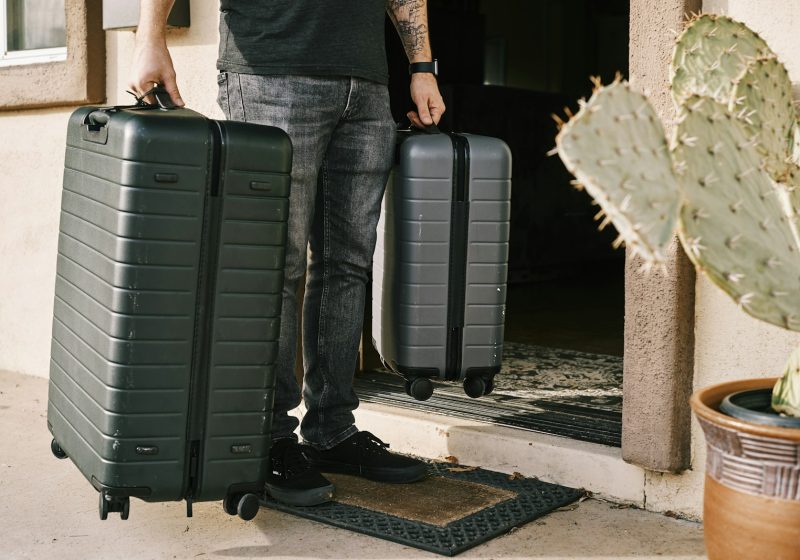
Most overpacking starts because the bag is too big. A 40 to 45 liter backpack or a small wheeled carry-on physically limits what fits, which forces honest choices. We recommend choosing a bag that matches the strictest airline you fly regularly, usually around 22″ × 14″ × 9″, and then committing to never pack outside it. If the bag is bigger than that, it will get filled, every single time.
For more on this, see our companion piece on How to Pack Electronics Sustainably (and Stop Buying Duplicate Cables).
The fewer pieces, the better the rotation
A working minimalist wardrobe for one to three weeks looks something like this: four to five tops, two bottoms, one dress or set, one warm layer, one rain layer, one pair of versatile shoes plus sandals, and three to four sets of underwear and socks washed mid-trip. Every piece should work with every other piece. Stick to a tight color palette, earth tones, navy, denim, and you can mix any top with any bottom without thinking.
Pick fabrics that work harder
Merino wool, linen, and well-made cotton blends will save you. Merino can be worn three to five times between washes without smelling, dries overnight on a hanger, and regulates temperature in both heat and cold. Linen wrinkles, sure, but it lasts, it breathes, and it ages beautifully. Avoid bulk synthetic fleece if you can; it sheds microplastics with every wash. A merino base layer plus a wool sweater plus a packable rain shell will get you through more conditions than five separate outfits.
A working carry-on packing list
- 4-5 merino or linen tops (mix sleeve lengths)
- 2 bottoms (one neutral, one slightly more formal)
- 1 dress or one nicer outfit set
- 1 warm mid-layer (merino sweater or fleece)
- 1 packable rain layer
- 4 sets of underwear, 3 pairs of socks
- 1 pair walking shoes + sandals
- Solid shampoo, conditioner, soap bar, tooth tablets
- Reusable water bottle, collapsible coffee cup, cloth tote
- Universal adapter, chargers in a small pouch, kindle or one book
- Small medication kit and any prescriptions in original bottles
- Microfiber travel towel and packing cubes
If you want to go deeper on a related angle, our piece Common Packing Mistakes That Quietly Create Waste picks up where this one leaves off.
Eliminate the bottle parade
The single biggest packing change you can make for waste reduction is killing your liquid bottles. Switch to solid shampoo, solid conditioner, a bar of regular soap, and either tooth tablets or solid toothpaste. None of these need plastic bottles. None of them count against your liquids allowance. None of them will leak through your bag at altitude. If you’re skeptical, run a single trip with solid versions and compare.
How this looks on real trips
Three quick scenarios where these principles land on the ground. They are lightly fictionalised composites of trips we have done, so we can talk about specifics without exposing anyone.
The slow business trip
A few formal pieces in versatile colors. A laptop and the smallest practical kit. The work clothes work for evening too if you choose neutrals. The bag stays carry-on. The same kit handles a five-day business trip and adapts for one personal day on each end.
The remote outdoor week
Hiking-focused trips need slightly different gear. Sturdy boots replace city shoes. A heavier weatherproof shell. A small first-aid kit gets larger. The total weight is higher but the variety lower. Most other principles still apply: one bag, layered clothing, solid toiletries.
The weekend trip
A two-day trip with one outfit change, your toiletry kit, a kindle, and the basic electronics. The whole bag stays under 6 kilograms. You walk between the train station and the hotel without thinking about it. You never check anything. The trip is small enough that the packing is not part of the friction.
What this looks like over a year of travel
The traveler with a smaller bag walks farther. Carries it onto trains without stress. Climbs stairs to the third-floor walk-up apartment without dreading the next morning. The choices made at the packing table shape the rhythm of every day on the road. Pack for the trip you want to have, not for every contingency you can imagine.
There’s also a financial side to all of this. Overpacking pushes travelers into checked baggage fees, taxis instead of public transit, and replacement purchases of things forgotten at home. A lighter bag is a cheaper trip. The same merino top that costs more upfront pays for itself many times over across the trips it survives without being washed and replaced.
One line to carry forward
What stays in the closet matters as much as what goes in the bag. Each item you leave home is one less thing to track, repack, and replace. The discipline of leaving things behind becomes its own travel skill, eventually one of the most useful ones.
A last note before you plan
The honest version of sustainable travel isn’t about achieving some pristine version of perfection. It’s about doing what works, repeatedly, and watching how the small choices compound across years of trips. Start with the easiest habit. Then add the next. And the next. Eventually you’ll travel without thinking about most of this, and the trips will be better for it.
Want to keep reading? Try Low-Impact Hotels in Major Cities: Where to Stay Without the Footprint next, it’s one of the most-read pieces we’ve published on this theme.
Frequently asked questions
How many outfits should I really pack for two weeks?
Aim for four to five tops and two bottoms, rotated and washed mid-trip. You will wear the same things repeatedly, and no one but you will notice. A laundromat or sink wash every five to seven days resets the wardrobe completely.
Is checking a bag ever the more sustainable choice?
Occasionally. If carry-on requirements would force you to buy duplicate toiletries on arrival, or push you into excess fast-fashion buys at the destination, a small checked bag can be the lower-impact option. The principle is: total impact, not bag size.
What about cold weather trips?
Layer rather than bulk. A merino base layer, a midweight wool sweater, a down vest, and a packable shell handle most non-extreme winter conditions and still fit in a 40-liter bag if you wear the bulkiest items in transit.
Are packing cubes worth it?
They genuinely help. They let you compress soft items, separate clean from worn, and unpack into a hotel drawer in seconds. Two or three light cubes will outlast any cheap luggage and reduce the temptation to pack just because there’s loose space.
How do I avoid the “but what if I need it” spiral?
Ask of each item: have you actually used this on the last three trips? If not, leave it. Almost anything you truly need is buyable at the destination, often from a local shop you’ll be glad to support.