There is a particular kind of disappointment that comes with packing a brand new reusable water bottle and discovering, on day two, that the lid leaks. The promise of reusable gear is genuinely transformative, until the gear fails and you end up buying a single-use replacement anyway. Picking pieces that survive years of use is the entire game.
The five items that pay for themselves the fastest
If you only adopt five reusables, make them these: an insulated water bottle, a collapsible coffee cup, a cloth shopping tote that folds tiny, a metal or bamboo cutlery set, and a silicone food container. Together they replace the bottles, paper cups, plastic bags, plastic forks, and styrofoam takeaway boxes that quietly stack up on every trip. The math becomes ridiculous fast, a bottle bought once replaces, depending on how often you fly, anywhere from 50 to 300 single-use bottles a year.
Insulated bottles: pick by lid, not by brand
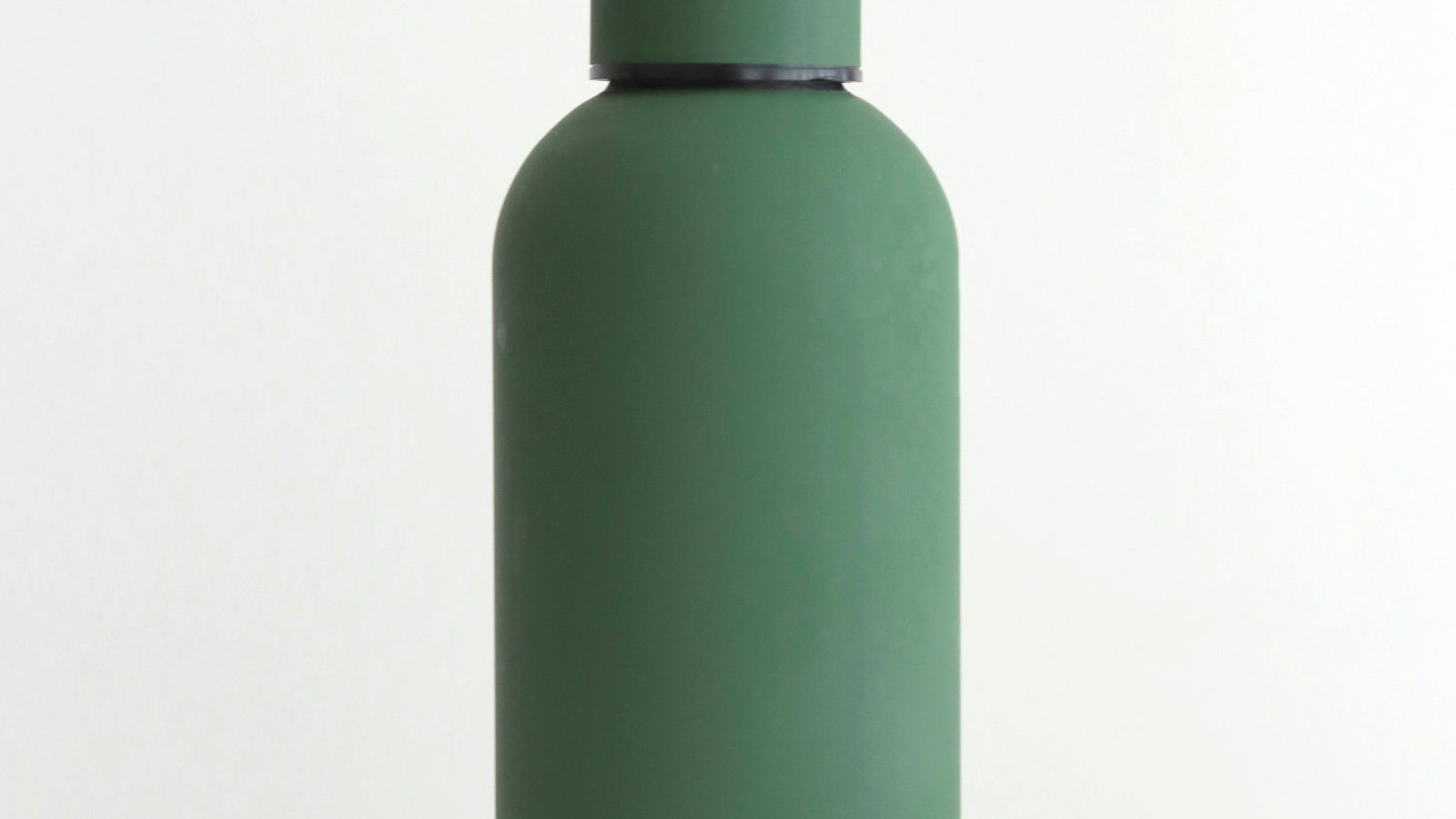
The body of nearly every quality stainless steel bottle is the same, what varies is the lid. The most travel-friendly are screw-top lids with an internal seal and a small loop for clipping. Magnetic lids and complicated multi-piece tops fail first and are nearly impossible to clean. Look for double-wall vacuum insulation if you want hot drinks to last more than two hours; single-wall bottles are lighter but they will not hold warmth on a train.
For more on this, see our companion piece on How to Choose the Right Travel Backpack (Without Buying Five).
Collapsible coffee cups: silicone has won the argument
Glass and ceramic cups are beautiful at home and unwise in luggage. Modern food-grade silicone cups with screw lids and an insulating sleeve survive being thrown into a daypack, hold heat for around an hour, and pack flat when empty. The good ones do not leach taste or smell into the drink. Avoid bamboo-resin cups; they crack within a year of being treated like real travel gear.
Tote bags worth the rucksack space
A folded cloth tote in your daypack is the single most useful eco swap for groceries, surprise markets, and the unavoidable moment a souvenir does not fit. Look for one that stuffs into a pouch the size of a fist, has a reinforced bottom, and has straps wide enough not to dig into your shoulder when fully loaded.
The shortlist by weight and price
- Insulated 500-750 ml stainless steel bottle, screw lid
- Silicone collapsible coffee cup, 12 oz
- Foldable nylon or cotton tote (50 g, fist-sized)
- Bamboo or stainless cutlery set with cloth roll
- Silicone food container (500 ml) with locking lid
- Two cloth produce bags for market trips
- A small bar soap travel tin (replaces hand sanitizer bottles)
- Microfiber travel towel for laundry, beach, picnics
If you want to go deeper on a related angle, our piece Sustainable Luggage Brands Worth the Investment picks up where this one leaves off.
Where most reusables fail
Most reusables die for the same handful of reasons: dishwasher use on parts that aren’t dishwasher-safe, components left damp for weeks, ill-fitting replacement seals, and the simple fact of being dropped on tile. Two habits extend gear life dramatically, air-dry everything overnight before sealing it, and learn the brand’s replacement parts page. Many companies will sell you a new lid or seal for under five dollars and save the entire bottle.
What this looks like on a Tuesday in a new city
Three concrete examples pulled from trips we ran this year. They are drawn from real journeys, edited together so we can share specifics.
The weekend trip
A two-day trip with one outfit change, your toiletry kit, a kindle, and the basic electronics. The whole bag stays under 6 kilograms. You walk between the train station and the hotel without thinking about it. You never check anything. The trip is small enough that the packing is not part of the friction.
The two-week mixed-weather trip
A longer trip through varied climates. Three merino tops, two long-sleeve layers, one warm sweater, one shell. A neutral pair of trousers and one slightly more formal piece. Walking shoes plus sandals. Laundry mid-trip resets the wardrobe completely. The bag stays manageable on every transfer.
The remote outdoor week
Hiking-focused trips need slightly different gear. Sturdy boots replace city shoes. A heavier weatherproof shell. A small first-aid kit gets larger. The total weight is higher but the variety lower. Most other principles still apply: one bag, layered clothing, solid toiletries.
The compound effect over multiple trips
Most overpacked bags carry items the traveler has never tested at home. The new jacket that hasn’t been worn in real weather. The shoes that haven’t been broken in. The toiletry that hasn’t been used through a full bottle. A reliable rule that prevents most packing failures: never bring an untested item on a real trip. Test at home first, then commit.
The gear industry is built around persuading travelers that they need more than they do. New suitcases every five years. New backpacks for every type of trip. A small set of well-chosen, well-maintained pieces lasts a decade or more, and a decade-old pack scuffed by genuine use is more beautiful than any new bag.
A small line for your notes app
What stays in the closet matters as much as what goes in the bag. Each item you leave home is one less thing to track, repack, and replace. The discipline of leaving things behind becomes its own travel skill, eventually one of the most useful ones.
A parting note for the road
Travel changes when the small practices become invisible. The reusable bottle isn’t a virtue; it’s a default. The local restaurant isn’t a choice; it’s where you eat. The longer stay isn’t a sacrifice; it’s the reason the trip felt different. That’s the destination of sustainable travel, not a single ethical posture but a quieter, deeper way of moving through the world.
Want to keep reading? Try Cruises and Sustainability: What Travelers Should Know next, it’s one of the most-read pieces we’ve published on this theme.
Frequently asked questions
How long should a good reusable water bottle actually last?
A quality double-wall stainless steel bottle, cared for reasonably, should last five to ten years. Lids occasionally need replacing, most reputable brands sell replacement lids cheaply.
Are silicone collapsible cups safe with hot drinks?
Food-grade silicone is rated well above coffee-serving temperatures and is stable enough for daily hot drinks. Cheap unbranded silicone can carry a chemical taste; stick to recognised brands.
Do I need a separate water filter?
Only on trips where local tap water isn’t safe. A small bottle-mounted filter or sterilising pen can replace dozens of plastic bottles on a longer trip. For most European, North American, and Japanese destinations, the tap is fine.
What about reusable straws, useful or overkill?
Genuinely useful in countries where straws come automatically with every drink. A folding stainless or silicone straw weighs nothing and saves you from the awkward refuse-then-still-arrives moment.
Are bamboo travel utensils worth it over stainless steel?
Bamboo is lighter and quieter in a bag but wears out faster, especially the prongs of the fork. Stainless lasts much longer; bamboo is more elegant in everyday use. Either beats single-use plastic.