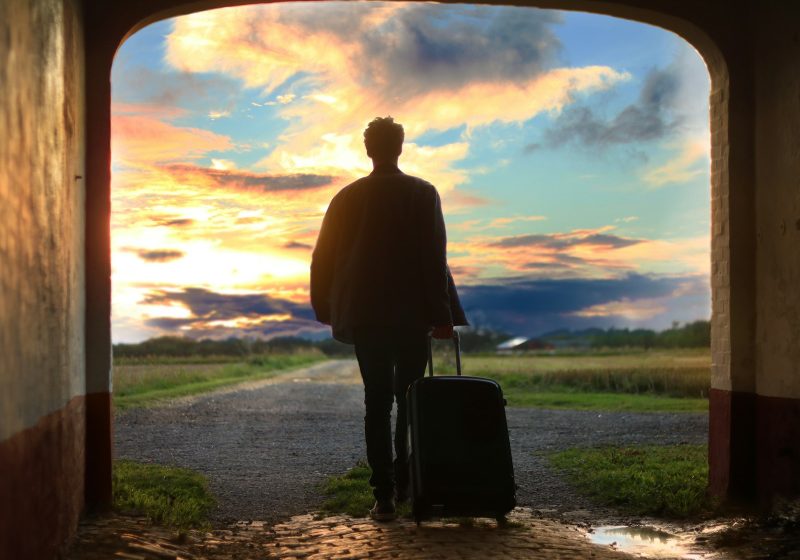
Solo travel and sustainable travel are natural partners. Solo travelers have full control of decisions. The flexibility is the entire point. The lessons below come from many solo trips and from talking with first-time solo travelers about what they wish they’d known.
Pick a forgiving first destination
A small city in a country where you speak some of the language, with good public transit and reasonable safety. Lisbon. Edinburgh. Munich. Bologna. Anywhere reachable by train or short flight. The first solo trip is about learning the rhythm of solo travel; an easy destination removes friction.
Stay at a hostel (yes, really)
Even if you’re older, even if you prefer privacy. Hostels with private rooms combine sustainability (lower per-guest impact, shared common areas) with the social texture that makes solo travel rewarding. The morning coffee in the hostel kitchen, the evening kitchen conversation, these are the best parts of solo travel for many travelers.
For more on this, see our companion piece on The Best Destinations for Eco-Friendly Travel Beginners.
Build slow days into the trip
Solo travelers often over-schedule because there’s no partner to balance the energy. Plan one or two free days per week with no anchor activities. Use them for slow mornings, long walks, conversations in cafés. These often become the trip’s best days.
Eat at the bar of restaurants
Bar seating at small restaurants is solo-traveler-friendly. You don’t feel awkward at a table for one. The bartender or chef often chats. Many of the best meals on solo trips happen at bar seats. Look for restaurants explicitly welcoming solo diners.
Solo sustainable travel kit
- Light bag (30-40L max)
- Reusable bottle, cup, cutlery
- Solid toiletries
- A book for slow afternoons
- A small notebook
- A simple plan for the first 24 hours
- Contact info shared with someone at home
- Insurance for medical and trip-cancellation
- A few small bills for early arrival tips
- A spare day at the end without commitments
If you want to go deeper on a related angle, our piece Planning Your First Eco-Friendly Trip: A Step-by-Step Guide picks up where this one leaves off.
Trust the local advice
Locals you meet, hostel staff, bartenders, café owners, are your best source of recommendations as a solo traveler. Their suggestions almost always beat algorithmic ones. Ask specific questions (“where would you eat tonight if you were free?”) and follow up.
What this looks like for a weekend away
Three ways the idea actually shows up on a real trip. Composites, not fiction: the specifics come from trips we have taken this year.
The trip that changed the pattern
One particular trip, usually a slow trip to a single base, that shifts everything afterward. The trips that follow get longer, slower, and quieter. The pattern of frequent short trips drops away. The travel year becomes simpler and more enjoyable.
The conversion of a partner
Traveling with a partner who hadn’t paid attention to sustainable travel. No lectures, no rules, just modeling the practice. By the end of the trip, the partner has independently adopted two of the habits without comment. The conversion happens through demonstration, not through argument.
The first attempt
A first sustainable trip with three new habits, reusable bottle, refusing straws, choosing one locally-owned restaurant per day. By the end of the week, all three are automatic. The trip itself felt no different in quality; the impact was substantially lower. The next trip builds on this baseline.
The knock-on effects on how you plan next time
There’s a generosity to sustainable travel that’s easy to miss at first. You’re not just doing good in the abstract. You’re routing real money to real people, in real places, who will be better off because of your choice. The family that owns the small guesthouse. The artisan whose work you bought. The guide whose tour you took. Specific people benefit from specific choices.
Talk to fellow travelers. Most of the practical wisdom in sustainable travel circulates orally, at hostel kitchens, on long train rides, around café tables. Ask other travelers what’s worked for them. Their answers will be more specific than any guide and more relevant than any blog post. The community of sustainable travelers is friendly and remarkably willing to share.
The heart of it, in one line
Sustainable travel is a practice, not a credential. You don’t graduate from it. You don’t have to be perfect. You just have to keep getting slightly better, trip by trip, and the practice deepens of its own accord. The traveler you’ll be in five years isn’t decided by any single trip; it’s decided by the pattern.
One more note for the trip ahead
If this article persuaded you to try one thing on your next trip, that’s the right outcome. Don’t try everything. Don’t aim for perfection. Try one thing. See how it feels. Add the next when the first is automatic. The practice builds itself across years, and looking back, the difference is dramatic.
Want to keep reading? Try How to Choose the Right Travel Backpack (Without Buying Five) next, it’s one of the most-read pieces we’ve published on this theme.
Frequently asked questions
Is solo travel safe?
In most major destinations, yes. Common sense, basic awareness, and not flashing valuables handle most concerns. Read recent traveler accounts before destinations you're unsure about.
How do I handle loneliness?
Hostel common areas, evening events, walking tours, cooking classes. Solo travel is full of micro-interactions that build up. Total loneliness is rare; pleasant solitude is common.
What about safety as a solo woman?
Most destinations are safe with the same precautions any solo traveler takes. Some destinations are more challenging; research specifically. Local female travel writers are excellent sources.
How long should my first solo trip be?
5-10 days. Long enough to settle into the rhythm of solo travel; short enough to keep momentum if it gets lonely.
Should I tell people my itinerary?
Share a basic outline with someone at home. Update them periodically. Modern messaging makes this trivial; the safety value is real.