
If you’ve never thought about sustainable travel and you’re wondering where to start, this guide is for you. We won’t ask you to give up trips. We won’t require you to buy a new wardrobe of merino wool. We’ll show you the small handful of decisions that make 80% of the difference, and you can adopt them gradually.
Sustainable travel isn’t about perfection
If you wait until you can travel “sustainably” perfectly, you’ll never travel. The realistic goal is reducing harm and increasing benefit relative to what you would have done. Each trip can be a little better than the last. That’s a sustainable practice in itself.
The high-impact choices
Five decisions shape most of the impact of any trip: how you get there, how long you stay, where you sleep, what you eat, and what you bring. Getting these five right delivers the vast majority of available impact reduction. Smaller habits matter, but they matter much less than these five.
For more on this, see our companion piece on The Best Destinations for Eco-Friendly Travel Beginners.
Start with one new habit
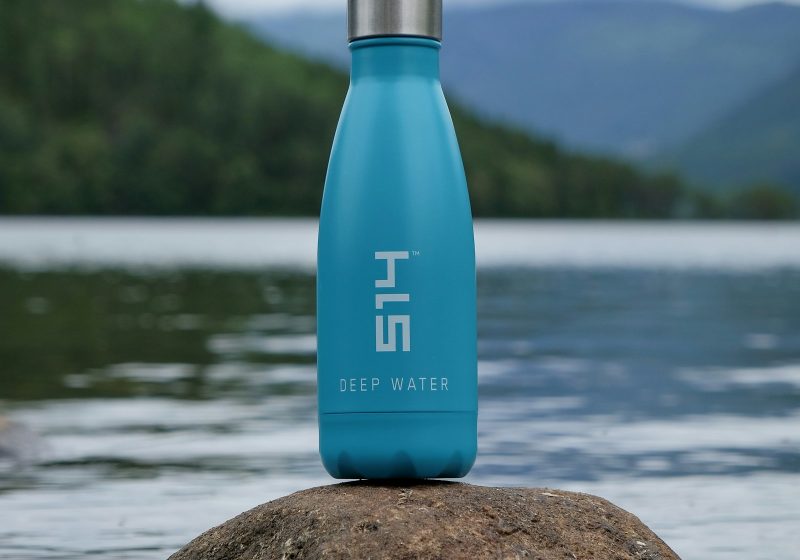
Don’t try to overhaul everything at once. Pick one habit for your next trip, maybe the reusable water bottle, maybe taking the train instead of a flight, maybe choosing one locally-owned restaurant per meal. Build from there. Habits stack across trips.
Avoid common beginner mistakes
Buying expensive “eco” gear before you need it. Trying to be perfect and burning out. Focusing on small symbolic gestures (refusing straws) while ignoring large impacts (flights). Lecturing fellow travelers. Each of these is a recognized beginner pattern; each is worth avoiding.
A starter checklist for your first sustainable trip
- Take a train instead of a flight where the trip is under 1,000 km
- Choose a locally-owned guesthouse or hotel
- Pack a reusable water bottle and refuse bottled water
- Eat at family-run restaurants for most meals
- Stay at least 5 nights in one place
- Walk or use public transit instead of taxis
- Bring solid toiletries instead of mini bottles
- Buy one souvenir from a local maker
- Skip daily housekeeping if staying 3+ nights
- Avoid the immediate streets around tourist sites for restaurants
If you want to go deeper on a related angle, our piece How to Travel Sustainably on a Tight Schedule (Without Cutting Corners) picks up where this one leaves off.
The 80/20 of sustainable travel
Eighty percent of personal travel impact comes from twenty percent of decisions, primarily transport choice and length of stay. Focus the bulk of your attention on these. The other twenty percent (reusables, refusals, smaller habits) is genuine but smaller. Both matter; one matters more.
How this looks on real trips
Three quick scenarios where these principles land on the ground. They are lightly fictionalised composites of trips we have done, so we can talk about specifics without exposing anyone.
The conversion of a partner
Traveling with a partner who hadn’t paid attention to sustainable travel. No lectures, no rules, just modeling the practice. By the end of the trip, the partner has independently adopted two of the habits without comment. The conversion happens through demonstration, not through argument.
The trip that changed the pattern
One particular trip, usually a slow trip to a single base, that shifts everything afterward. The trips that follow get longer, slower, and quieter. The pattern of frequent short trips drops away. The travel year becomes simpler and more enjoyable.
The first attempt
A first sustainable trip with three new habits, reusable bottle, refusing straws, choosing one locally-owned restaurant per day. By the end of the week, all three are automatic. The trip itself felt no different in quality; the impact was substantially lower. The next trip builds on this baseline.
What this looks like over a year of travel
Sustainable travel doesn’t require giving up the things that draw you to travel in the first place. The wonder, the surprise, the encounters with the unfamiliar, all of these survive and often deepen when you slow down. The fear that sustainability means a smaller trip is mostly unfounded. In practice, the trip gets bigger.
Most beginner mistakes are recoverable. The first trip will involve choices you’ll later wish you’d made differently. That’s fine. The practice gets better across many trips, not within one. Forgive yourself the early errors and apply the lessons forward. Sustainable travel that requires perfection isn’t sustainable as a practice.
One line to carry forward
Sustainable travel is a practice, not a credential. You don’t graduate from it. You don’t have to be perfect. You just have to keep getting slightly better, trip by trip, and the practice deepens of its own accord. The traveler you’ll be in five years isn’t decided by any single trip; it’s decided by the pattern.
A last note before you plan
The honest version of sustainable travel isn’t about achieving some pristine version of perfection. It’s about doing what works, repeatedly, and watching how the small choices compound across years of trips. Start with the easiest habit. Then add the next. And the next. Eventually you’ll travel without thinking about most of this, and the trips will be better for it.
Want to keep reading? Try The Minimalist Carry-On Packing Guide for Eco-Conscious Travelers next, it’s one of the most-read pieces we’ve published on this theme.
Frequently asked questions
Where should I start?
With the one habit that seems easiest for your next trip. Don't try to do everything; do one thing well. Build from there.
Is sustainable travel more expensive?
Often comparable or cheaper. Trains booked in advance vs flights, local guesthouses vs chains, market food vs tourist restaurants, these tend to be price-competitive or cheaper.
How do I avoid feeling guilty about past travel?
You can't change past choices. The thing you can change is the next one. Sustainable travel is forward-looking, not retrospective.
What if my partner or family isn't interested?
Lead by example. Many converts come from watching someone else practice sustainable habits without being lectured. Your habits will influence the people you travel with over time.
Is one person's effort really meaningful?
Yes, multiplied across millions of travelers. Movements start with individuals doing visible things consistently. Your personal impact matters; your influence on others amplifies it.