Year one of sustainable travel doesn’t have to be a complete transformation. A realistic plan covers a handful of trips, a few new habits, and steady incremental improvement. The year is genuinely transformative, but the changes are smaller than most beginners expect.
Plan four to six trips, mostly close
A realistic first year might include one or two long trips (3+ hours by flight) and three to four close trips (train, bus, or short flight). The close trips become the baseline practice. The long trips become carefully planned anchor events. The overall pattern shifts toward more close trips, fewer distant ones, by year three, this is often the default.
Build three to five habits to automatic
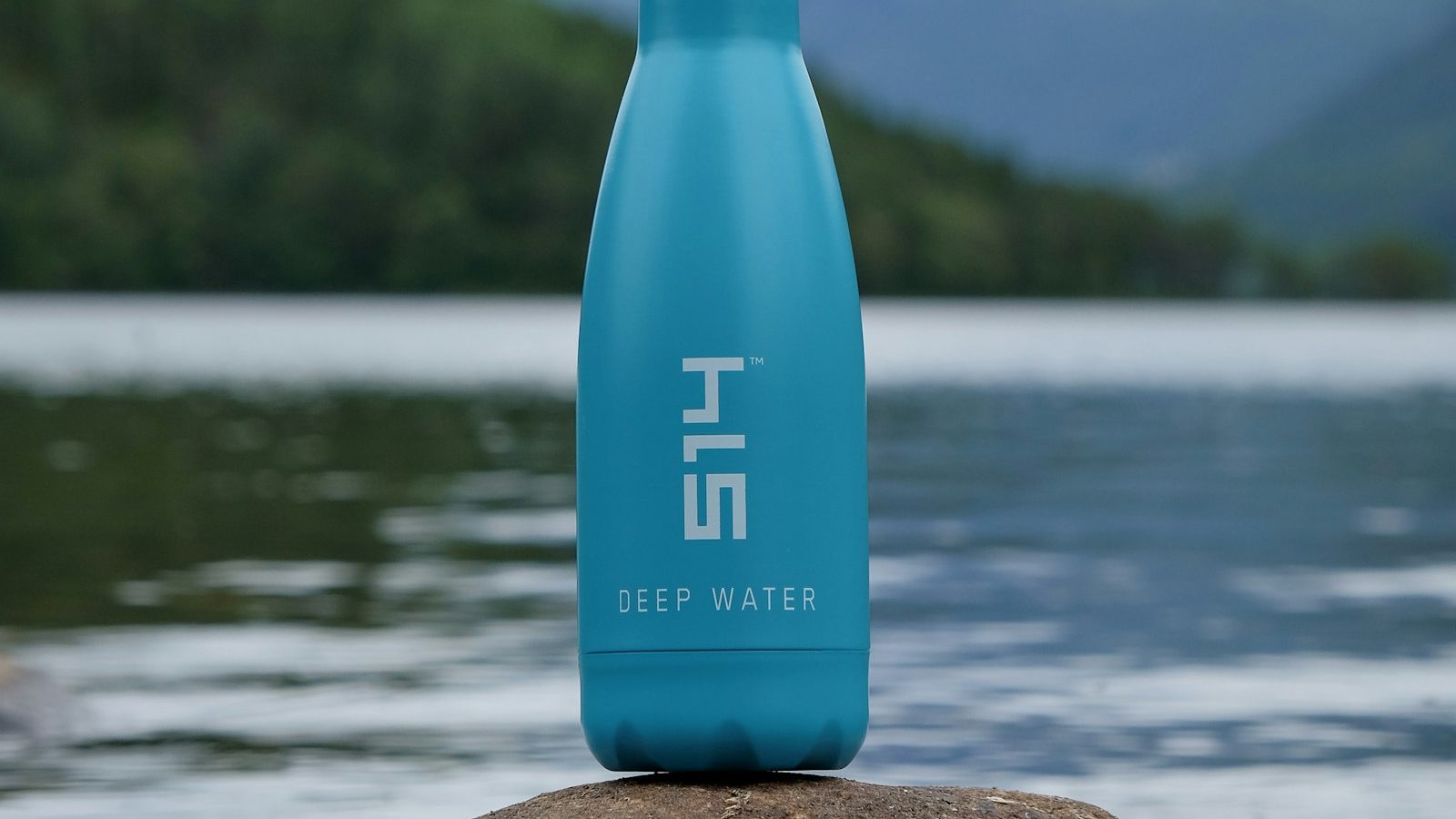
Reusable bottle. Reusable cup. Reusable tote. Refusing straws. One locally-owned restaurant per day. These five habits, made automatic over six trips, change the entire experience of travel. By year-end, they’re no longer decisions; they’re defaults.
For more on this, see our companion piece on Budget Eco-Travel Without Luxury Prices.
Read three travel books from local authors
Each destination has writers whose work captures it from inside. Reading a book by a local author about a place you’re visiting transforms the trip. By year-end, having read three of these, you have a substantively different understanding of how to engage with destinations.
Build one ongoing relationship with a local
Whether a host you keep in touch with, a small organization you support after the trip, a maker whose work you continue to buy. One ongoing relationship deepens the trip beyond the days you were there. This is one of the most rewarding aspects of sustainable travel and is often skipped by beginners.
A practical first-year template
- Two long-trip slots (use thoughtfully)
- Three or four close-trip slots
- Five habits to build to automatic
- Three books from local authors
- One ongoing relationship from the trip
- One year-end reflection
- One trip with a friend or family member, modeling habits
- One sustainable accommodation per long trip (real certification)
- One train trip you would otherwise have flown
- One day-trip you keep meaning to take
If you want to go deeper on a related angle, our piece Solo Sustainable Travel for Beginners: Where to Begin picks up where this one leaves off.
Reflect at the end of the year
What worked? What didn’t? What habits stuck? Which destinations rewarded the practice most? What do you want to try next year? A year-end review structures continued improvement. Most travelers who keep practicing sustainable travel are the ones who reflect periodically; the ones who treat it as a fixed routine often drift back.
What this looks like for a weekend away
Three ways the idea actually shows up on a real trip. Composites, not fiction: the specifics come from trips we have taken this year.
The conversion of a partner
Traveling with a partner who hadn’t paid attention to sustainable travel. No lectures, no rules, just modeling the practice. By the end of the trip, the partner has independently adopted two of the habits without comment. The conversion happens through demonstration, not through argument.
The trip that changed the pattern
One particular trip, usually a slow trip to a single base, that shifts everything afterward. The trips that follow get longer, slower, and quieter. The pattern of frequent short trips drops away. The travel year becomes simpler and more enjoyable.
The mistake that taught the most
A trip where you forget the reusable bottle on the first day and buy seven plastic bottles before finding one. The lesson sticks more powerfully than any guide could have provided. By the next trip, the bottle lives permanently in the daypack. Mistakes are part of how the practice gets built.
The knock-on effects on how you plan next time
Beginners often underestimate how quickly habits become automatic. The first trip with a reusable bottle feels mildly inconvenient; the third trip without one feels strange. The first trip choosing the family restaurant requires effort; the third trip avoiding tourist menus is reflex. Once the pattern locks in, the cost of maintaining it drops to nearly zero.
Read other travelers’ accounts. Listen to people who have been doing this for a decade or more. Their honest accounts of what worked and what didn’t will save you several years of personal trial and error. There’s an emerging body of practical sustainable travel writing, much of it on small blogs, in newsletters, in conversations at hostels. Seek it out.
The heart of it, in one line
Sustainable travel is a practice, not a credential. You don’t graduate from it. You don’t have to be perfect. You just have to keep getting slightly better, trip by trip, and the practice deepens of its own accord. The traveler you’ll be in five years isn’t decided by any single trip; it’s decided by the pattern.
One more note for the trip ahead
If this article persuaded you to try one thing on your next trip, that’s the right outcome. Don’t try everything. Don’t aim for perfection. Try one thing. See how it feels. Add the next when the first is automatic. The practice builds itself across years, and looking back, the difference is dramatic.
Want to keep reading? Try Green Certifications Explained: A Practical Guide for Travelers next, it’s one of the most-read pieces we’ve published on this theme.
Frequently asked questions
Is a 50% reduction in travel impact realistic for year one?
For most travelers, yes, by shifting some flights to trains, choosing better accommodations, and adopting a few core habits. The reductions are surprisingly easy once the planning takes them into account.
What if I have to fly a lot for work?
Personal travel is more controllable. Focus there. Work travel often has different constraints and is harder to control individually.
How do I know if I'm progressing?
A simple year-end review: number of habits made automatic, number of close trips taken, number of locally-owned places you stayed. Pick a few metrics and track lightly.
What about backsliding?
Common. The annual reflection catches it. The pattern across years is more important than any single year.
When do I become a "sustainable traveler"?
There's no graduation. It's a continuing practice. Sustainable travel is something you keep doing, not something you complete.