Coffee on the road is one of those small daily moments that adds up. The disposable cup, plastic-lined paper, mostly not recyclable in most municipal streams, has become a global single-use category. Switching to a reusable cup is small in any single instance and significant across years.
Why disposable cups are worse than they look
Most paper coffee cups have a thin plastic lining that prevents them from being recycled with paper. Most are landfilled. The global volume is enormous, estimates exceed 500 billion cups per year. Even the “biodegradable” versions usually require specific composting facilities that rarely exist locally.
Reusable cup options
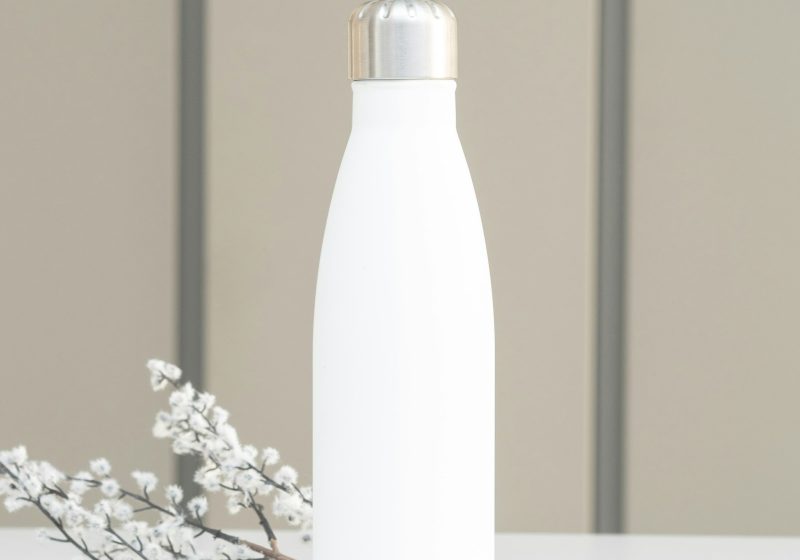
Three main categories: silicone collapsible (Stojo, Pokito), insulated stainless steel (KeepCup Thermal, Hydro Flask Coffee), glass (KeepCup, Ecoffee). Silicone collapsibles pack flattest. Stainless holds temperature longest. Glass tastes best but is fragile in travel. Choose by use case.
For more on this, see our companion piece on Eco-Friendly Souvenirs: A Zero-Waste Edition.
Cafés that accept reusable cups
Most independent cafés and most major chains will fill a reusable cup. Some offer small discounts (5-25 cents). Smaller cafés are usually more flexible. Some chains have policies that vary by location, when in doubt, ask politely; the answer is usually yes.
The “but I forgot it” trap
The biggest barrier to actually using reusable cups is forgetting them in the morning rush. A useful habit: clip the cup to the outside of your day pack the night before, or store it in your day bag permanently. The friction reduction matters.
Choosing a travel coffee cup
- Silicone collapsible for backpack travel (packs flat)
- Stainless steel insulated for hot weather (holds temperature)
- 12-oz size for most coffee orders
- Screw lid, not snap-on (snap lids fail faster)
- Heat sleeve or double-wall design
- Clip-loop for attaching to bag
- Replaceable parts (lid, sleeve)
- Avoid cheap unbranded silicone, chemical taste possible
If you want to go deeper on a related angle, our piece Sustainable Toiletries vs Hotel-Provided Ones: What to Do picks up where this one leaves off.
Cleaning on the road
A quick rinse with hot water at the next café usually does the job. Once a week, soap-wash. Silicone cups are dishwasher-safe but rarely needed on the road. Smell developing is a sign of dried residue, soap and a brush handle it.
What this looks like for a weekend away
Three ways the idea actually shows up on a real trip. Composites, not fiction: the specifics come from trips we have taken this year.
The week with no bottled water
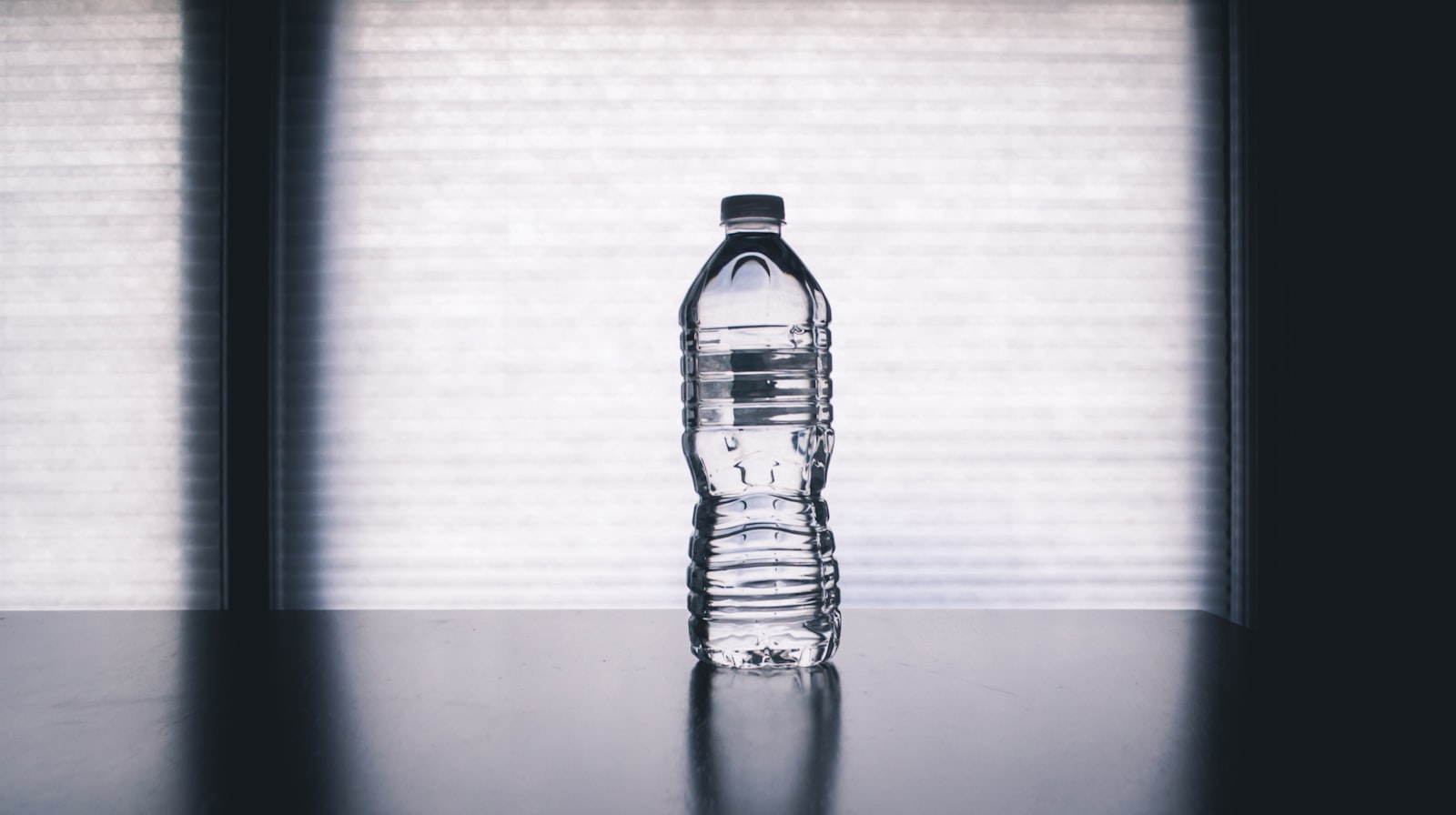
Seven days in a country with safe tap water using only refillable bottles. Roughly 25 plastic bottles avoided in one week. The water tastes the same; the savings are real. The habit becomes so automatic by the end of the week that you barely notice it.
The plastic-free city day
A full day in a city you’ve never visited, using only your reusable bottle, reusable cup, tote, and cutlery. By evening you’ve generated essentially no single-use waste. The day didn’t feel restricted; it felt clean. You realize how unnecessary most of what you would have used was.
The family low-waste trip
A family of four on a one-week European trip, each member with their own reusable bottle and snack pouch. Apartment rental with kitchen for breakfasts and one dinner per day. The total trip waste is a fraction of the conventional version. The kids treat the practice as normal because everyone around them does.
The knock-on effects on how you plan next time
The work of sustainable travel happens in the small interactions: the polite refusal at the corner shop, the question to the server about tap water, the choice to walk rather than taxi. Each of these is a tiny rebellion against default mode. None of them takes much effort. Together, repeated across a trip and across a year, they produce a measurable change.
The financial savings are also real. Bottled water at airports often costs $4-6 per bottle; a $25 reusable bottle pays back within a week of frequent travel. Takeaway coffee cups are charged for separately at many cafés now; a reusable cup is a quiet 10-25 cent discount each time. The math is in your favor.
The heart of it, in one line
Make the habits invisible to yourself. The reusable bottle lives in your day pack permanently. The reusable cup hangs from a clip on the outside. The folding tote stays in the side pocket. When the gear is just there, the habit doesn’t require a daily decision. The decision was made once; the practice continues automatically.
One more note for the trip ahead
If this article persuaded you to try one thing on your next trip, that’s the right outcome. Don’t try everything. Don’t aim for perfection. Try one thing. See how it feels. Add the next when the first is automatic. The practice builds itself across years, and looking back, the difference is dramatic.
Want to keep reading? Try Sustainable Road Trip Planning: Getting It Right Before You Drive next, it’s one of the most-read pieces we’ve published on this theme.
WanderEthic publishes long-form, field-tested guides for travelers who want their trips to feel lighter on the world, without losing any of the wonder. Browse our six editorial pillars to find the next idea worth packing.
Frequently asked questions
Will any café accept reusable cups?
Most will. A small percentage refuse on hygiene grounds. The post-COVID landscape mostly went back to accepting reusables.
How do I keep coffee hot in a non-insulated cup?
You don't, non-insulated cups (ceramic, regular glass) cool quickly. For travel where you need temperature retention, choose insulated.
Are bamboo coffee cups good?
They look natural but are usually bamboo-fibre composite with resin. Many crack within a year of regular use. Silicone or steel last longer.
Should I bring multiple cups for different drink types?
Usually not. One 12-oz cup handles most drinks. For cold drinks, the same cup works (sometimes with rinsing between).
How do I dispose of a worn-out reusable cup?
Silicone is not commonly recycled but can be repurposed (kitchen mat, drip catcher). Stainless steel goes to metal recycling. Bamboo composite is usually landfill.