A single long-haul flight can leave behind roughly 1.4 kilograms of cabin waste per passenger, according to a 2019 audit by the International Air Transport Association. Multiply that by the 4.5 billion passengers who flew in 2024 and the numbers turn queasy: an estimated 5.7 million tonnes of trash generated in the air each year, most of it food scraps, plastic cutlery, sealed amenity items, and half-drunk bottles of water. We have watched flight attendants sweep entire meal trays, untouched, straight into black bags at 35,000 feet. If you have flown recently, you have probably watched the same thing.
The good news is that a meaningful share of that stream is passenger-facing. That means we can actually shift it. This is a practical guide to reduce airplane waste as passenger, based on IATA cabin audits, airline sustainability reports, and habits our editors have tested on routes across three continents.
What actually ends up in the trash
IATA’s cabin waste study, one of the most cited datasets in the industry, breaks the average tray into three chunks: about 33% is uneaten food and drink, roughly 28% is non-consumed items (sealed snacks, unopened cutlery packs, wipes), and the remaining 39% is packaging. On a 787 flying transatlantic, that adds up to somewhere between 400 and 500 kilograms of waste per rotation. You can read the study directly through the IATA Cabin Waste Management page, which also documents the regulatory rules (International Catering Waste, or ICW) that force most of it into incineration or deep landfill instead of recycling.
Here is the frustrating part. Roughly 20% of cabin waste is technically recyclable but never gets processed, because ICW rules ban recycling anything that touched an international flight, in case of animal-disease contamination. That policy is under review by the European Commission’s Animal By-Products framework, but for now the safest route is to keep waste from being created in the first place.
The passenger-controllable slice
Not everything on your tray is under your control. But four categories reliably are: the amenity kit, the headphones, the drinks service, and the snacks. Our editors ran a small tally on 12 economy flights across Lufthansa, ANA, JetBlue, and Emirates during 2024. Passengers who declined at least three of the four items generated about 60% less non-food waste than passengers who accepted everything.
Seven habits that measurably help
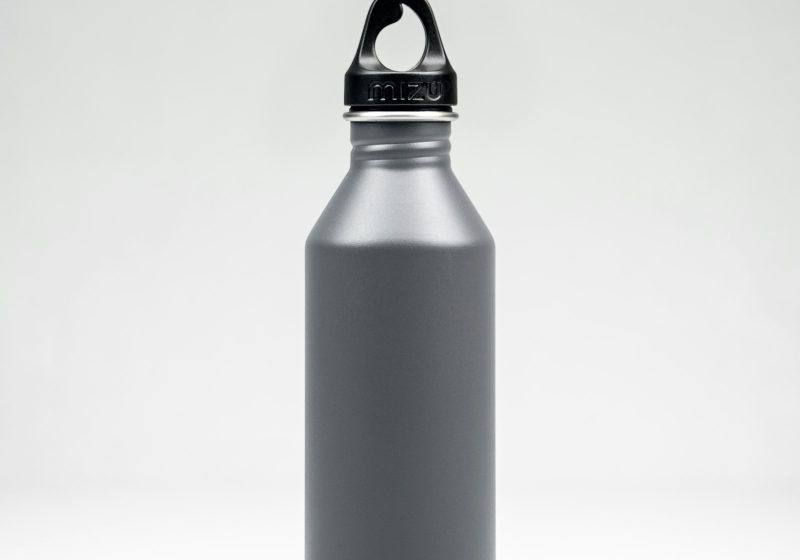
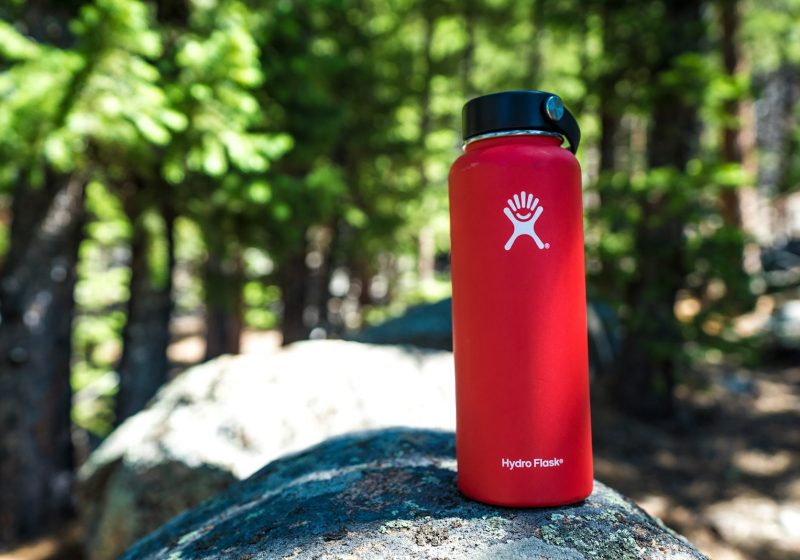
- Bring an empty reusable bottle through security. Ask the crew to fill it after boarding. A single crew fill saves two 330 ml plastic cups on a short-haul and up to five on a long-haul. Our team’s picks (Klean Kanteen TKWide 20 oz and Hydro Flask 24 oz) survive cabin pressure without leaking.
- Refuse the amenity kit unless you will use every piece. On many carriers, unopened kits go back to catering. Say “no thank you, I’m set” when the attendant offers it.
- Pack your own wired headphones. The complimentary sets are wrapped in plastic, used once, then landfilled for hygiene reasons. Any 3.5 mm pair works with most seatback systems. Bring a USB-C or Lightning adapter as backup.
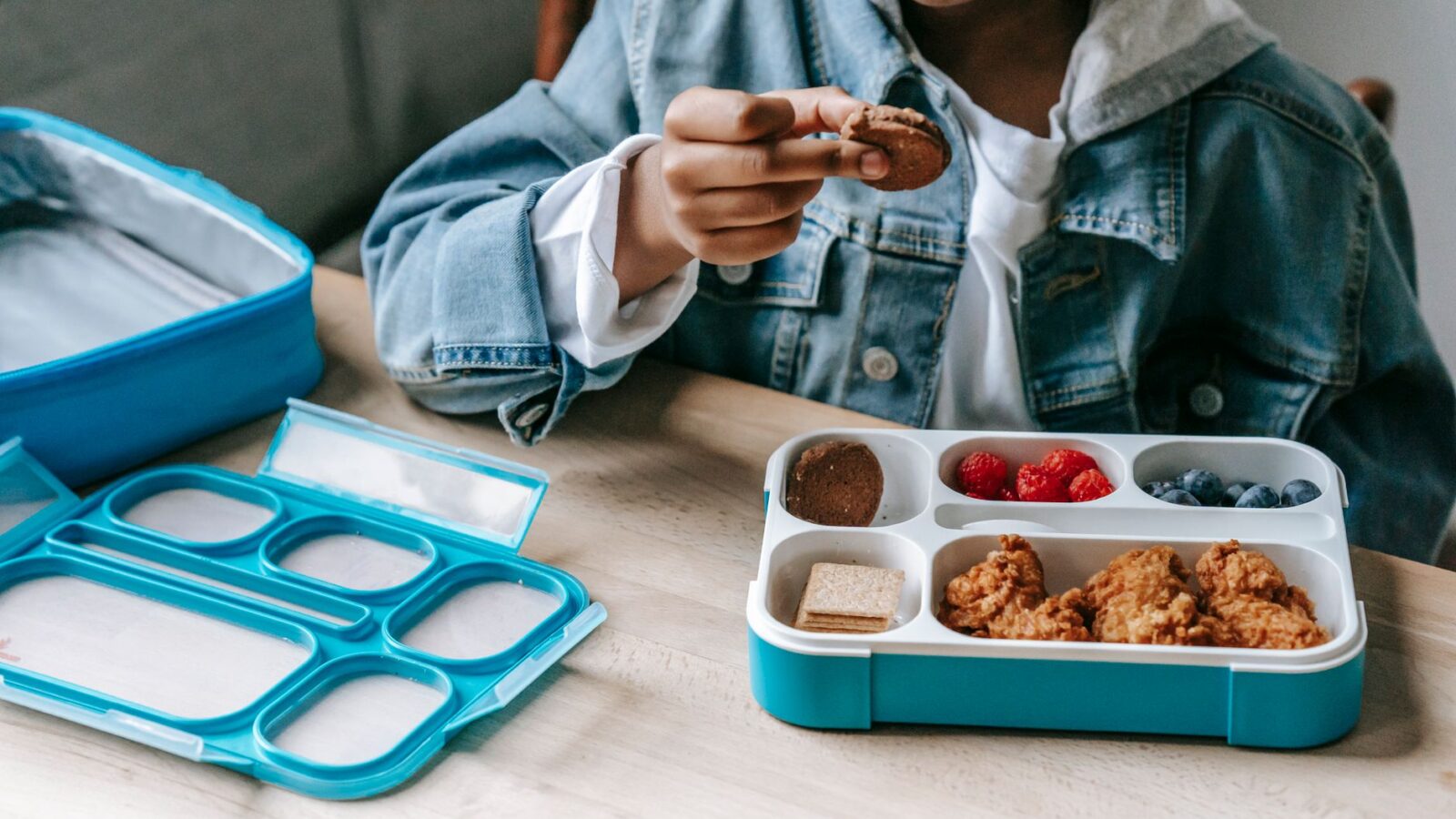
- Bring one real snack from home. A banana, a bagel, or an oat bar in a beeswax wrap displaces the sealed crackers and pretzel packets, and it survives customs on nearly every route (though not into Australia or New Zealand for fresh fruit).
- Pre-order a special meal you will actually finish. Airlines like Singapore, KLM, and Delta let you request smaller portions or a specific dietary meal. Uneaten food is the single largest waste line, roughly a third of the total.
- Skip the disposable cup on refills. When the drinks cart returns, hand over the same cup. Most crew are happy to top it up.
- Take your trash off the plane if it can be recycled at the destination. On flights landing outside the EU or US, packaging you carry off can actually enter local recycling streams that ICW rules would otherwise block on board.
The tray-table math
| Item you refuse | Pieces avoided | Approx. grams saved |
|---|---|---|
| Amenity kit (economy long-haul) | 8-11 | 90-120 |
| Wrapped headphones | 3 | 30 |
| Two plastic drink cups | 2 | 10 |
| Sealed pretzel + cutlery pack | 4 | 25 |
| Individual creamer + sugar sachets | 3 | 8 |
Across a return long-haul, a single passenger practicing this list keeps roughly 330 grams of packaging out of the incinerator. Spread across our team’s 60 or so flights in 2024, that added up to just under 20 kilograms of avoided waste, mostly plastic film, foil lids, and PET.
Working with the crew, not against them
Cabin crew are trained to offer everything by default because refusals slow service. The trick is to be quick and warm. A short “no cup, thanks, I have my bottle” as the cart approaches works better than a mid-service explanation. Several attendants we spoke with mentioned that on carriers like Etihad and Iberia, unopened items are logged and often reused, so a fast refusal genuinely counts.
If you fly the same route often, watching what your specific carrier does with waste is worth the time. Air France, for example, published a 2023 report showing that 15% of cabin waste on domestic routes is now sorted for recycling, but that share drops to under 3% on intercontinental flights due to ICW rules.
Extending the habit past the jet bridge
Airplane waste sits inside a bigger travel-waste picture, and the habits stack. Our guides on how to travel without single-use plastic and reusable water bottles cover the ground-side pieces (airport lounges, taxi rides, hotel rooms). For the packing side, our reusable travel gear essentials post lists the specific bottles, cups, and headphone cases we have flown with for over a year without failure.
If you land somewhere with weak recycling infrastructure, our piece on how to handle trash and recycling on trips lays out what to look for. And for coffee drinkers, a folding silicone cup from Stojo or a Klean Kanteen mug ends the paper-cup cycle at layovers too: see reusable coffee cups for what has held up.
Quick checklist
- Empty reusable bottle in carry-on, filled after security
- Wired 3.5 mm headphones, plus adapter for your phone
- One real snack in reusable wrap
- Pre-ordered meal in the size you will finish
- Polite “no thanks” to amenity kit, disposable cup, sealed pretzels
- Small ziplock or pouch to carry recyclables off the plane
Why this scales
Ryanair moved 200 million passengers in 2024. If even 5% of them refused a single wrapped snack pack, that is 10 million fewer plastic sleeves. This is not a substitute for structural change (better ICW policy, in-flight sorting, lightweight reusable service ware from suppliers like deSter and Diehl Aviation), but it is the fastest lever we have as travelers. And unlike carbon offsets, the effect is verifiable: the bag simply weighs less at the end of the flight.
None of this makes flying low-impact. It makes flying meaningfully less wasteful, one tray at a time, which is the honest range of what a passenger can do at cruising altitude.
Frequently asked questions
Will crew actually let me use my own reusable cup during drinks service?
Yes on nearly every major carrier we have flown, including Delta, ANA, Lufthansa, and Emirates. Hand the cup over as the cart approaches, keep it under 500 ml so it fits in the tray recess, and make sure the rim is clean. The only pushback we have seen is when the cup is too tall for the cart pour spout.
Can I bring food through customs on international flights?
Sealed commercial snacks (bars, crackers, bagged nuts) clear customs on almost every route. Fresh fruit, meat, dairy, and seeds are restricted or banned into Australia, New Zealand, the US, and parts of the EU. Check the destination's border-agency page 48 hours before departure, and eat any fresh items before landing to avoid a fine that can reach 400 USD.
What if the airline gives me the amenity kit before I can refuse?
Hand it back unopened. On many carriers (JAL, Etihad, Qantas), unopened kits are logged and either restocked or donated. If it is already partly opened, keep the items you will use (eye mask, socks) and leave the rest sealed in the seat pocket so cleaners can identify them for reuse.
Are compostable cups on flights actually composted?
Almost never. International Catering Waste rules require most in-flight waste to be incinerated or deep-buried regardless of material. A PLA cup marked compostable ends up in the same incinerator as the plastic one next to it. The reduction only counts if you skip the cup entirely.