A reusable water bottle seems like a minor accessory. The math says otherwise. A typical traveler uses 4 to 8 single-use bottles per travel day. Over a year of trips, one reusable bottle prevents 200 to 400 plastic bottles from being used. The reusable bottle is one of the highest-leverage single objects in the sustainability toolkit.
Choosing the right bottle
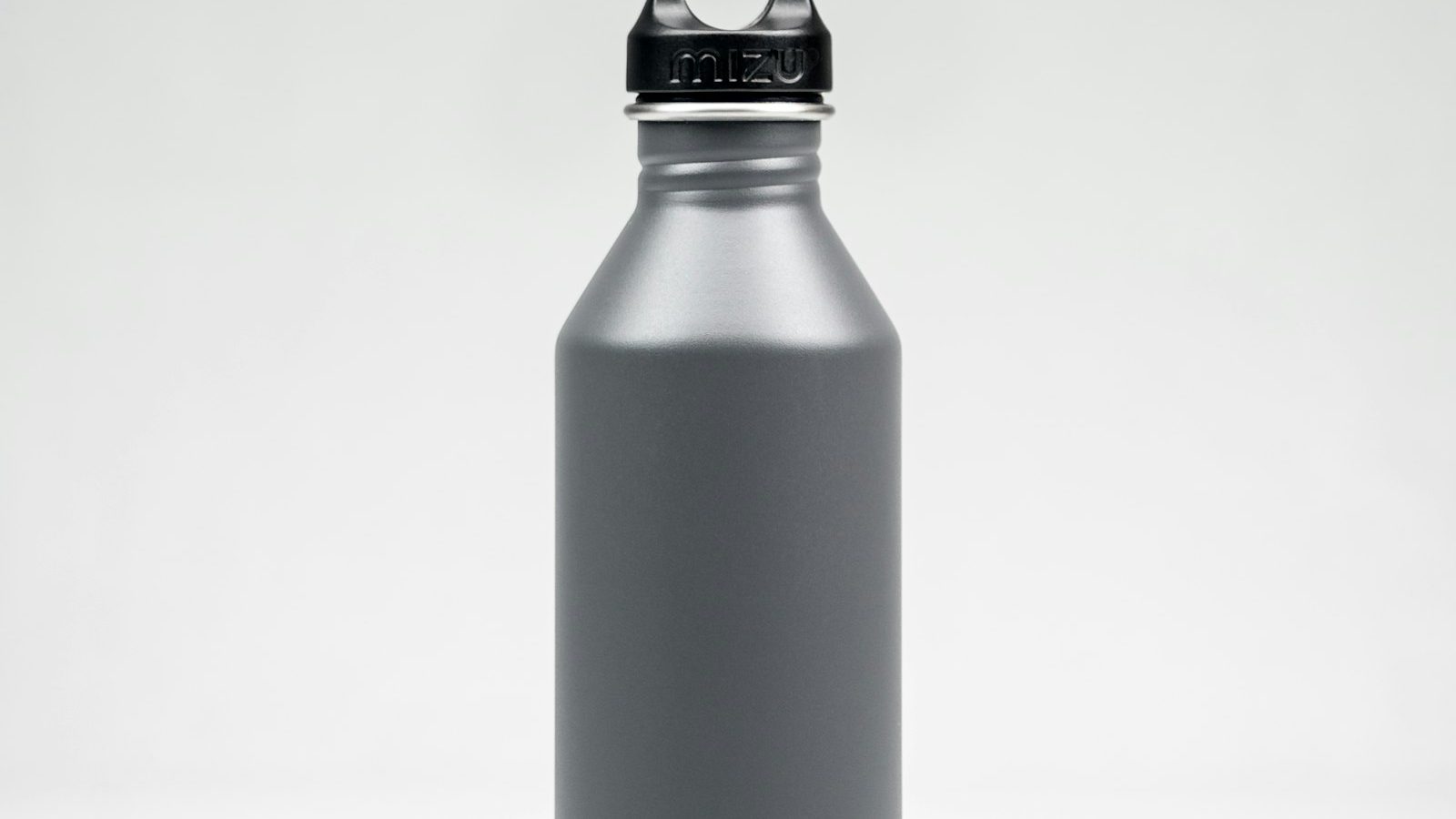
Three considerations: capacity, insulation, lid quality. A 500-750 ml capacity covers most travel needs. Insulation matters less in cool climates, dramatically in hot ones. The lid is the part that determines how many years the bottle lasts, screw-top with a quality internal seal is the most reliable design.
Stainless steel is the standard
Stainless steel double-wall bottles dominate the category for good reason, they don’t leach taste, they hold temperature for hours, they survive being dropped. Aluminum bottles are lighter but leach taste over time. Glass bottles are great at home, fragile in luggage. Plastic reusables (Nalgene-style) are durable but heavier and less insulated.
For more on this, see our companion piece on How to Handle Trash and Recycling on Trips (When Systems Vary).
Brands worth considering
Hydro Flask, Klean Kanteen, S’well, Stanley, Yeti, Camelbak, all reputable. Lifetime warranties from several. Look for screw-top lids with an internal seal. Avoid bottles with magnetic lids or complicated multi-piece tops, they fail first and are nearly impossible to clean.
Where to refill abroad
Most major airports have water refill stations after security. Many cities have refill apps and maps (Tap, Refill app, mywatertap.com). Cafés in most countries will refill bottles for free if you ask politely. Hotels and hostels almost universally have water dispensers.
Reusable bottle features that matter
- 500-750 ml capacity
- Double-wall insulation for hot/cold
- Screw-top lid with internal seal
- Stainless steel or filter-equipped
- Wide mouth for easy cleaning
- A clip-loop for attaching to bags
- No internal coating that can flake (avoid cheap brands)
- Replacement parts available
If you want to go deeper on a related angle, our piece Reusable Coffee Cups and the Disposable Cup Problem picks up where this one leaves off.
In tap-unsafe countries
Bottle-mounted filters and UV sterilizers solve the safety problem. The LifeStraw Go bottle includes filtration. GRAYL geopress is fast and effective. Steripen Ultra is small and UV-based. All allow refilling from any tap and produce safe water.
What this looks like on a Tuesday in a new city
Three concrete examples pulled from trips we ran this year. They are drawn from real journeys, edited together so we can share specifics.
The plastic-free city day
A full day in a city you’ve never visited, using only your reusable bottle, reusable cup, tote, and cutlery. By evening you’ve generated essentially no single-use waste. The day didn’t feel restricted; it felt clean. You realize how unnecessary most of what you would have used was.
The long-haul flight done lightly
A 10-hour flight with snacks packed from home, a reusable bottle filled at the gate water station, declined cabin water bottles in favor of refills, wired earphones instead of disposable ones. The total flight waste from your seat: a small wrapper and a napkin.
The family low-waste trip
A family of four on a one-week European trip, each member with their own reusable bottle and snack pouch. Apartment rental with kitchen for breakfasts and one dinner per day. The total trip waste is a fraction of the conventional version. The kids treat the practice as normal because everyone around them does.
The compound effect over multiple trips
The work of sustainable travel happens in the small interactions: the polite refusal at the corner shop, the question to the server about tap water, the choice to walk rather than taxi. Each of these is a tiny rebellion against default mode. None of them takes much effort. Together, repeated across a trip and across a year, they produce a measurable change.
The financial savings are also real. Bottled water at airports often costs $4-6 per bottle; a $25 reusable bottle pays back within a week of frequent travel. Takeaway coffee cups are charged for separately at many cafés now; a reusable cup is a quiet 10-25 cent discount each time. The math is in your favor.
A small line for your notes app
Make the habits invisible to yourself. The reusable bottle lives in your day pack permanently. The reusable cup hangs from a clip on the outside. The folding tote stays in the side pocket. When the gear is just there, the habit doesn’t require a daily decision. The decision was made once; the practice continues automatically.
A parting note for the road
Travel changes when the small practices become invisible. The reusable bottle isn’t a virtue; it’s a default. The local restaurant isn’t a choice; it’s where you eat. The longer stay isn’t a sacrifice; it’s the reason the trip felt different. That’s the destination of sustainable travel, not a single ethical posture but a quieter, deeper way of moving through the world.
Want to keep reading? Try How to Pack Zero-Waste for a Week-Long Trip next, it’s one of the most-read pieces we’ve published on this theme.
Frequently asked questions
How do I clean a reusable bottle on the road?
Rinse with hot water at hotel sinks. Once a week, soap-wash with a bottle brush (or dish soap and a paper towel). Air dry overnight. Replace if smells develop and don't wash out.
Do I need a filter or can I drink tap water everywhere?
In most of Europe, North America, Japan, Korea, Singapore, Australia, New Zealand, tap is safe. In much of Latin America, Africa, parts of Asia, filter or boil.
What about hard water staining?
Vinegar soak overnight removes hard water deposits. Don't use bleach.
Are sport tops or straws OK?
They're harder to clean and tend to harbor mold in damp climates. Screw-top with a wide mouth is more reliable.
Can I fly with a full reusable bottle?
No, airport security requires empty bottles. Refill after security at gate water stations.