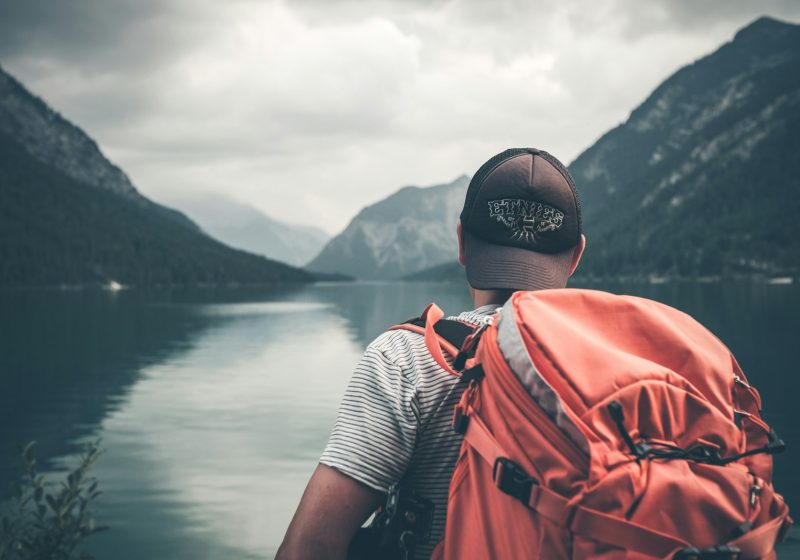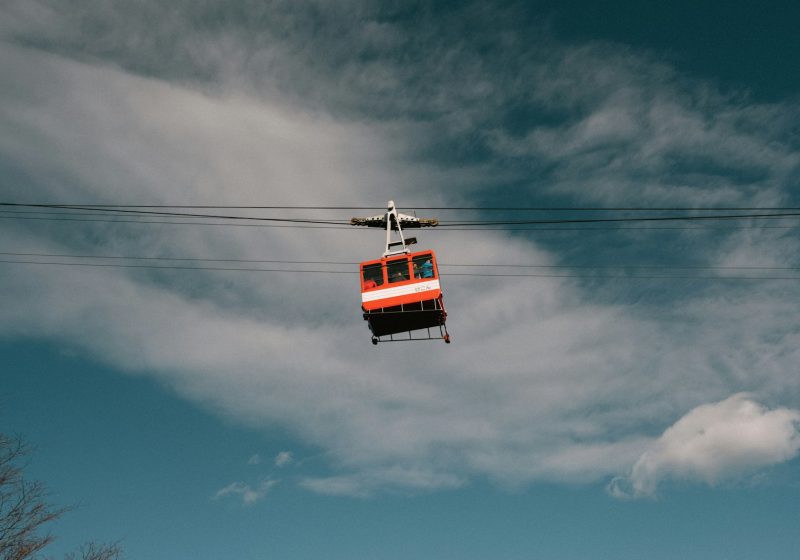

Some of the best sustainable travel doesn’t involve flying anywhere. A day trip by train to a nearby town. A weekend by bus to a regional capital. A bike weekend to a coastal village. These trips are often more rewarding than far-flung ones, and they’re always lower-impact.
The case for traveling close
Close-to-home trips are easier to plan, cheaper, lower-impact, and often more relaxing. You skip the airport, the time zone, the jet lag. You spend more of your trip actually at the destination. The math is hard to beat for occasional trips: a weekend close beats a weekend far on every dimension except novelty.
What you can do within 2 hours by train
Most major European cities are within 2 hours by train of three or four other regional capitals. Most major North American cities have similar reach within 2-3 hours by train or bus. Mapping the train routes from your home city reveals dozens of weekend possibilities you’ve never explored.
For more on this, see our companion piece on Sustainable Family Travel for First-Timers: How to Start.
Day trips by train, bus, or bike
A day trip costs nothing in accommodation. You leave in the morning, explore for the day, return in the evening. The format scales, many cities have entire networks of day-trip-accessible villages, beaches, and historic sites. A few months of weekend day trips can introduce you to your own region more thoroughly than years of long flights elsewhere.
Weekend bike trips
A bike weekend within 30-60 km of home is one of the best low-impact travel formats. Cycle out Saturday morning, stay at a guesthouse or campground, cycle back Sunday afternoon. The destination becomes part of the journey rather than a separate event.
Easy-start nearby trip ideas
- A day trip to the nearest small historic town by train
- A weekend in a city 2-3 hours away
- A bike weekend within 50 km of home
- A walking weekend on a marked regional trail
- A small village visit accessible by bus only
- A coastal town for a beach day
- A vineyard or farm visit by regional transport
- An indigenous community visit (where appropriate)
- A small festival in a nearby town
- A monastery or historic site stay
If you want to go deeper on a related angle, our piece How to Explain Sustainable Travel to Friends Without Sounding Preachy picks up where this one leaves off.
The local trip you keep meaning to take
Most travelers have at least one nearby destination they’ve been meaning to visit for years. The closer it is, the more easily it gets postponed. Book the trip. The local destinations are often the trips that surprise you most.
How this looks on real trips
Three quick scenarios where these principles land on the ground. They are lightly fictionalised composites of trips we have done, so we can talk about specifics without exposing anyone.
The conversion of a partner
Traveling with a partner who hadn’t paid attention to sustainable travel. No lectures, no rules, just modeling the practice. By the end of the trip, the partner has independently adopted two of the habits without comment. The conversion happens through demonstration, not through argument.
The first attempt
A first sustainable trip with three new habits, reusable bottle, refusing straws, choosing one locally-owned restaurant per day. By the end of the week, all three are automatic. The trip itself felt no different in quality; the impact was substantially lower. The next trip builds on this baseline.
The trip that changed the pattern
One particular trip, usually a slow trip to a single base, that shifts everything afterward. The trips that follow get longer, slower, and quieter. The pattern of frequent short trips drops away. The travel year becomes simpler and more enjoyable.
What this looks like over a year of travel
There’s a generosity to sustainable travel that’s easy to miss at first. You’re not just doing good in the abstract. You’re routing real money to real people, in real places, who will be better off because of your choice. The family that owns the small guesthouse. The artisan whose work you bought. The guide whose tour you took. Specific people benefit from specific choices.
Talk to fellow travelers. Most of the practical wisdom in sustainable travel circulates orally, at hostel kitchens, on long train rides, around café tables. Ask other travelers what’s worked for them. Their answers will be more specific than any guide and more relevant than any blog post. The community of sustainable travelers is friendly and remarkably willing to share.
One line to carry forward
Sustainable travel is a practice, not a credential. You don’t graduate from it. You don’t have to be perfect. You just have to keep getting slightly better, trip by trip, and the practice deepens of its own accord. The traveler you’ll be in five years isn’t decided by any single trip; it’s decided by the pattern.
A last note before you plan
The honest version of sustainable travel isn’t about achieving some pristine version of perfection. It’s about doing what works, repeatedly, and watching how the small choices compound across years of trips. Start with the easiest habit. Then add the next. And the next. Eventually you’ll travel without thinking about most of this, and the trips will be better for it.
Want to keep reading? Try How to Find Local Tour Operators and Guides That Aren’t Tourist Traps next, it’s one of the most-read pieces we’ve published on this theme.
Frequently asked questions
Aren't close-to-home trips boring?
Surprisingly rarely. Most regions have layers of interesting nearby destinations that locals never visit. The newness comes from your fresh attention, not from distance.
How do I find nearby destinations?
Look at train and bus maps from your nearest station. Read local interest publications. Ask older locals about their day trips. Most regions have far more than tourist marketing suggests.
Are day trips really worth the effort?
For destinations within 2 hours, yes. The full-day commitment delivers a complete experience. The transport time is part of the day, not lost time.
How do I pack for a day trip?
A small day pack. Water, snacks, a book, an extra layer, sunscreen, a map. Almost nothing else. Day trips reward minimalism.
What about with kids?
Excellent for kids, short transport, full experience, home for bed. Day trips by train are often the easiest format for family travel.