Travel still generates a surprising amount of paper, boarding passes, hotel receipts, tickets, brochures, paper maps, restaurant bills. Most of it isn’t essential. The shift to digital alternatives is well underway, and a few habits accelerate it personally.
Digital boarding passes
Mobile boarding passes work in nearly every airport in the world. Some borders still want paper for visa purposes; check before specific flights. The default should be digital, with paper as exception, not the reverse.
Email receipts everywhere they’re offered
Most restaurants, hotels, and shops now offer email receipts. Take the option. They’re searchable, they don’t take up space, and they reduce paper consumption directly. Some apps (Splitwise, expense managers) accept emailed receipts directly.
For more on this, see our companion piece on Low-Waste Restaurant and Café Habits That Cost Nothing.
Refuse the brochure
Visitor centers, museums, hotels, all offer brochures. Take only the ones you’ll actually read. Most can be replaced with a photo of the wall poster or a quick search online. The pile of unread brochures from past trips is a sign of paper that should have stayed at the visitor center.
Paper maps can be useful, choose carefully
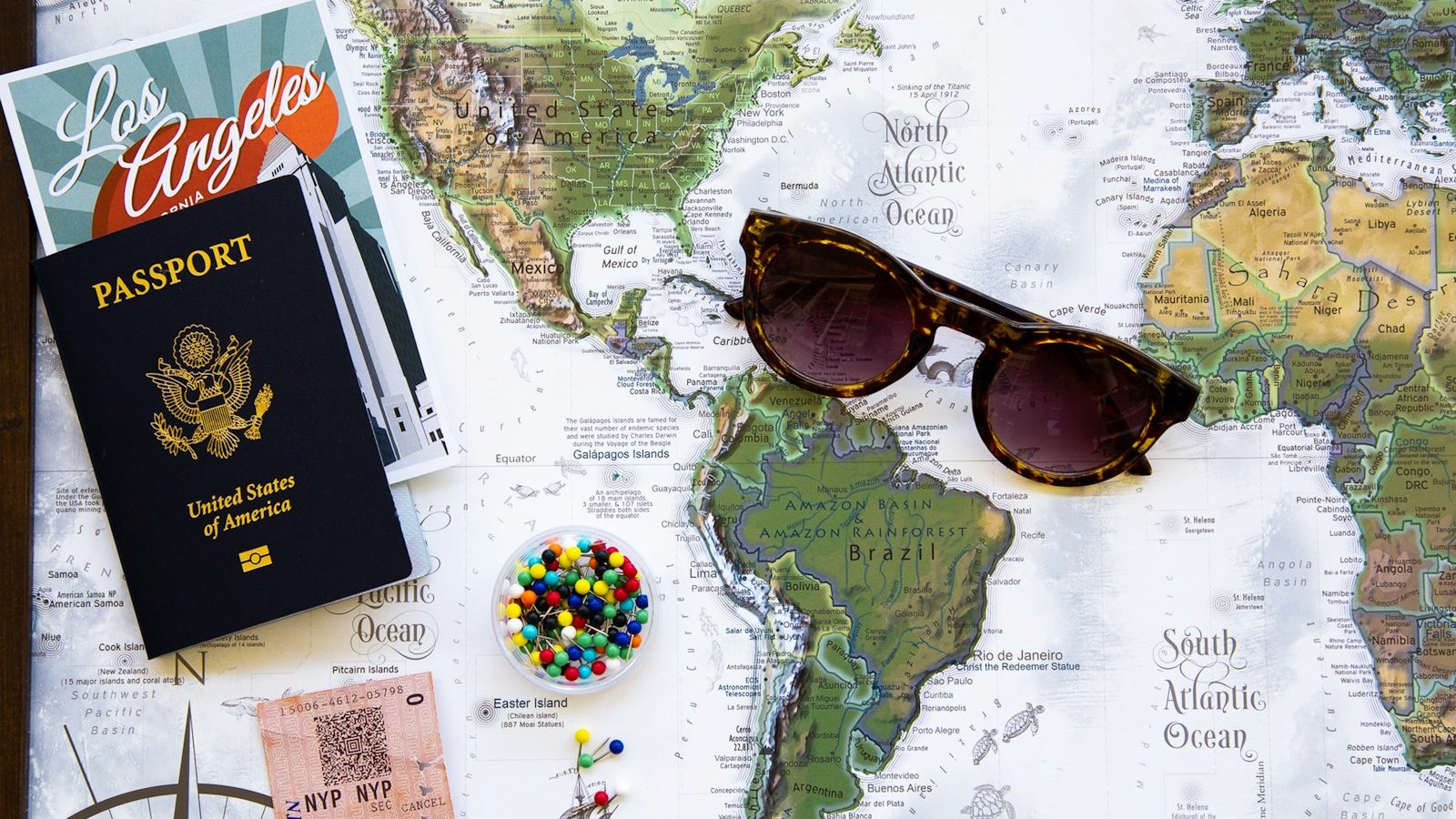
A good paper map for a city or region you’re exploring at length is genuinely useful, phone batteries die, signal varies, and a paper map handles edge cases. Choose one durable map you’ll keep, not several throwaway ones. Refuse the free ones at tourist offices unless you’ll specifically use them.
Going paperless on the road
- Use mobile boarding passes
- Email receipts wherever offered
- Decline brochures you won’t read
- Read news on phone or kindle
- Use digital maps as primary, paper as backup
- Skip the printed itinerary if you have it digitally
- Refuse hotel newspaper delivery
- Take photos of restaurant menus rather than asking for printed ones
- Use a notes app rather than buying a travel journal (or use a small reusable one)
- Send postcards if you want, they’re paper, but they have purpose
If you want to go deeper on a related angle, our piece Refill Culture and How to Find It While Traveling picks up where this one leaves off.
Newspapers and magazines
Airport newsstands sell newspapers that get read for thirty minutes and then thrown away. Reading on a phone or kindle works as well and produces no waste. Free hotel newspapers stack up and rarely get read by guests; politely decline at check-in if you don’t want them.
What this looks like on a Tuesday in a new city
Three concrete examples pulled from trips we ran this year. They are drawn from real journeys, edited together so we can share specifics.
The family low-waste trip
A family of four on a one-week European trip, each member with their own reusable bottle and snack pouch. Apartment rental with kitchen for breakfasts and one dinner per day. The total trip waste is a fraction of the conventional version. The kids treat the practice as normal because everyone around them does.
The plastic-free city day
A full day in a city you’ve never visited, using only your reusable bottle, reusable cup, tote, and cutlery. By evening you’ve generated essentially no single-use waste. The day didn’t feel restricted; it felt clean. You realize how unnecessary most of what you would have used was.
The long-haul flight done lightly
A 10-hour flight with snacks packed from home, a reusable bottle filled at the gate water station, declined cabin water bottles in favor of refills, wired earphones instead of disposable ones. The total flight waste from your seat: a small wrapper and a napkin.
The compound effect over multiple trips
Habits beat heroics. A traveler who refuses one plastic bag per day, every day, produces more total waste reduction than a traveler who has one perfect zero-waste trip per year and forgets the habits in between. Consistency is the entire game. Small habits compound across years in ways that single dramatic gestures do not.
Plastic that escapes the waste stream ends up somewhere. A bottle dropped at a beach travels with the currents. A bag that blows out of a bin during collection ends up in the same drainage that eventually reaches the ocean. The traveler who reduces what they consume reduces what eventually ends up in places no one wanted it to be. The chain from refusal to outcome is direct.
A small line for your notes app
Make the habits invisible to yourself. The reusable bottle lives in your day pack permanently. The reusable cup hangs from a clip on the outside. The folding tote stays in the side pocket. When the gear is just there, the habit doesn’t require a daily decision. The decision was made once; the practice continues automatically.
A parting note for the road
Travel changes when the small practices become invisible. The reusable bottle isn’t a virtue; it’s a default. The local restaurant isn’t a choice; it’s where you eat. The longer stay isn’t a sacrifice; it’s the reason the trip felt different. That’s the destination of sustainable travel, not a single ethical posture but a quieter, deeper way of moving through the world.
Want to keep reading? Try How to Pack Electronics Sustainably (and Stop Buying Duplicate Cables) next, it’s one of the most-read pieces we’ve published on this theme.
Frequently asked questions
Is digital always better than paper?
Almost always, in terms of waste. Paper has its own pleasures (a nice travel journal, a good book), choose paper where it adds something, not as default.
What about offline maps?
Most map apps (Google Maps, Maps.me, Organic Maps) allow downloading offline maps. A 5-minute setup before traveling eliminates the need for paper backups in most cases.
Are paper tickets ever required?
Occasionally, some border crossings, some events. Check before the trip; print only what's truly required.
What about a travel journal?
A small physical journal is a wonderful indulgence if you actually write. A digital notes app works just as well. Either is better than tickets and receipts as travel memory.
Should I keep boarding passes as souvenirs?
If you actually look at them later, sure. Most people don't, they pile up unread. A photo of the boarding pass serves the same memory function.