A growing number of cities have explicitly built infrastructure for refill, water bottles, toiletries, even coffee cups. Knowing where to find these systems makes low-waste travel dramatically easier. The infrastructure is more widespread than most travelers realize.
Water refill maps
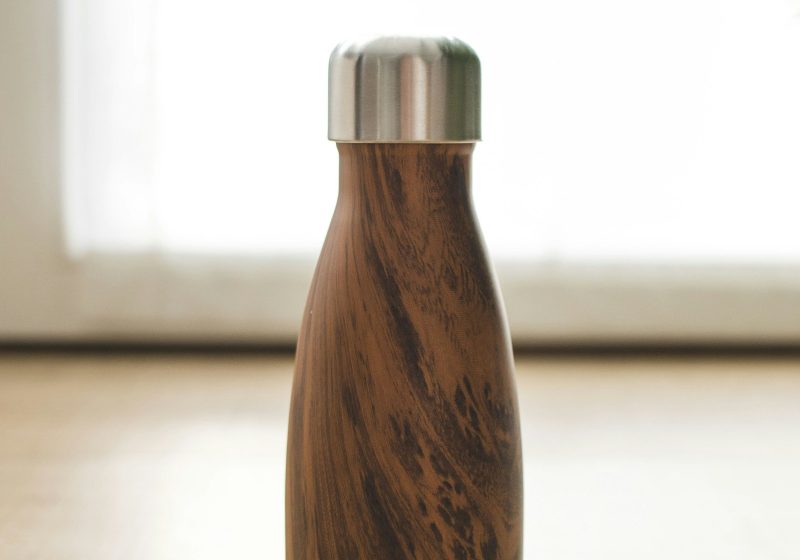
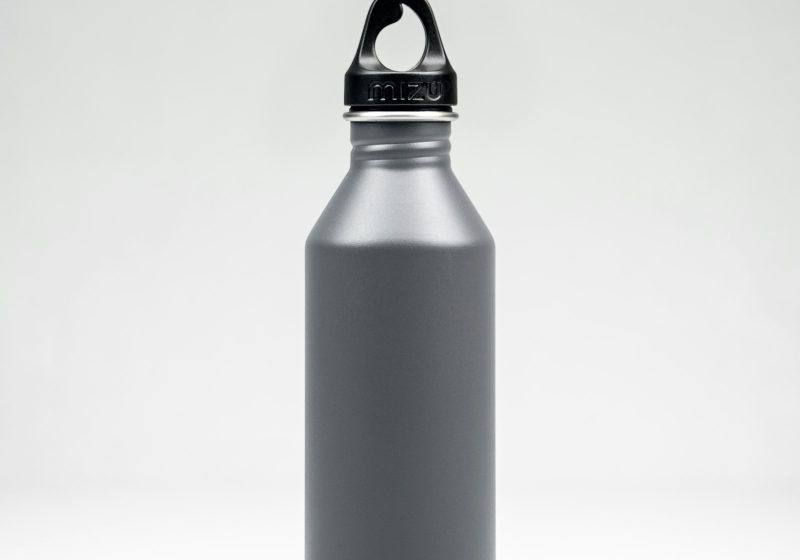
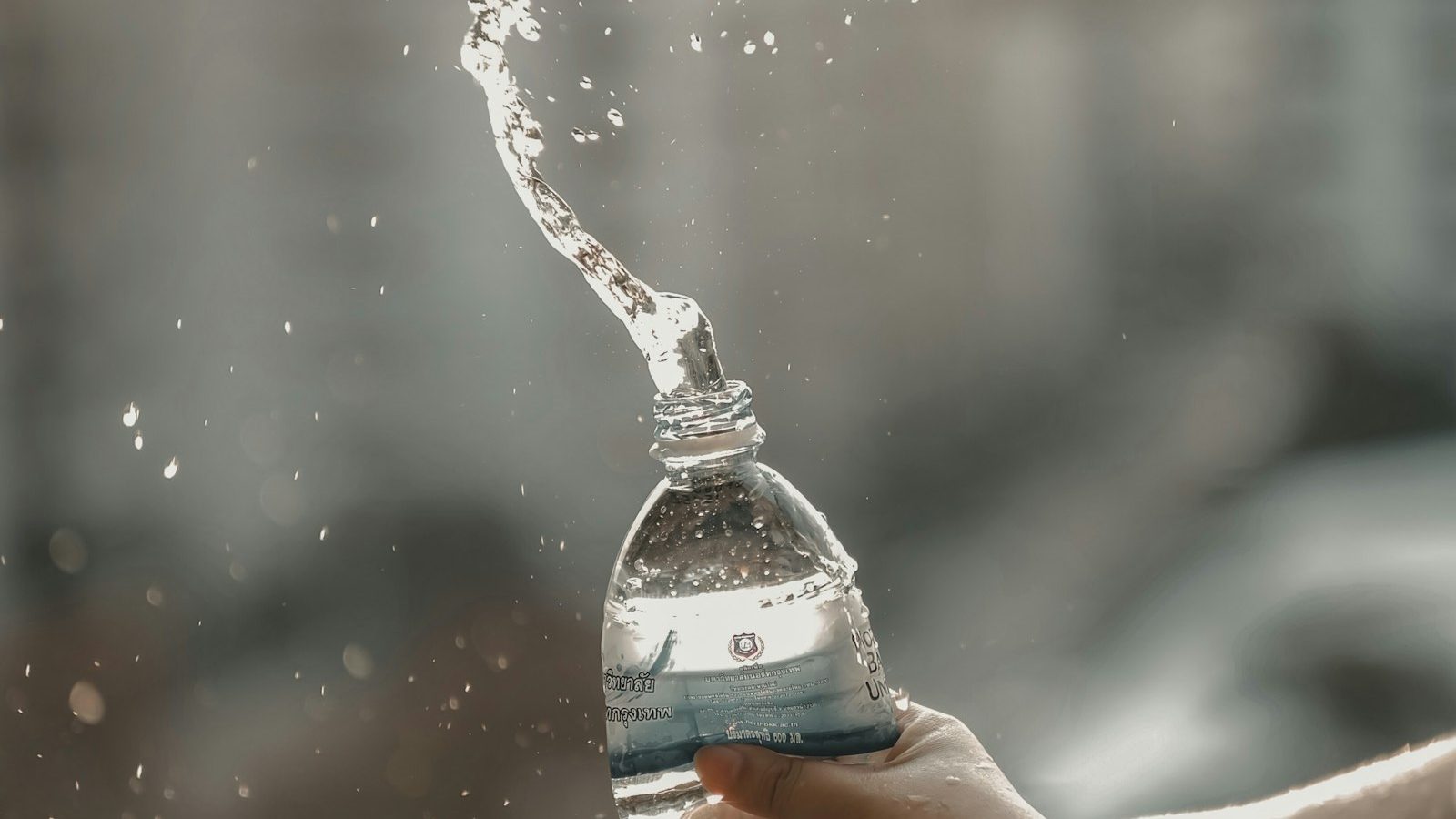
London, Paris, Berlin, Amsterdam, New York, Tokyo, and dozens more have public water refill networks with maps available online or through apps. Refill.app in the UK shows participating shops. Several US cities have similar resources. A few minutes with a map can locate dozens of refill points.
Public drinking fountains
Many cities (especially in Europe) have extensive public fountain networks that have been continuously operating for centuries. Rome’s nasone fountains. Vienna’s Hochstrahlbrunnen. Berlin’s Trinkbrunnen. The water is usually excellent and the fountains are usually maintained by municipal authorities.
For more on this, see our companion piece on Sustainable Toiletries vs Hotel-Provided Ones: What to Do.
Refill stores for toiletries and food
Cities with strong zero-waste movements have refill stores selling shampoo, conditioner, soap, detergent, and dry foods in bulk. Travelers can sometimes use these, though most people don’t need to refill mid-trip. The category is growing in cities like Berlin, Brussels, Vancouver, Portland, and several UK cities.
Café and restaurant refills
Cafés and restaurants in most countries will refill water bottles for free if asked politely. A small purchase (coffee, pastry) is appropriate if you’re using the table; just-passing refills are less universally welcome. Always ask first.
Best refill-friendly cities for travelers
- Berlin (extensive Trinkbrunnen, growing refill stores)
- Amsterdam (refill app, public fountains)
- Rome (1,500+ nasone fountains)
- London (Refill.app, growing infrastructure)
- Vienna (public fountain network)
- Tokyo (free water at most restaurants)
- Paris (public fountain network, includes sparkling)
- Portland, Oregon (Refill app, zero-waste store density)
- Brussels (refill stores)
- Stockholm (excellent tap water, generous café refills)
If you want to go deeper on a related angle, our piece Reusable Water Bottles: Why They Matter More Than You Think picks up where this one leaves off.
Hotel and hostel water stations
Most modern hotels and almost all hostels have water dispensers for guests. These are free and reliable. Filling a bottle at breakfast and again at evening covers most of a day’s water needs.
What this looks like in the field
Three worked examples from recent editorial trips. These are composites built from actual editorial trips, arranged so the pattern is clear.
The plastic-free city day
A full day in a city you’ve never visited, using only your reusable bottle, reusable cup, tote, and cutlery. By evening you’ve generated essentially no single-use waste. The day didn’t feel restricted; it felt clean. You realize how unnecessary most of what you would have used was.
The long-haul flight done lightly
A 10-hour flight with snacks packed from home, a reusable bottle filled at the gate water station, declined cabin water bottles in favor of refills, wired earphones instead of disposable ones. The total flight waste from your seat: a small wrapper and a napkin.
The week with no bottled water
Seven days in a country with safe tap water using only refillable bottles. Roughly 25 plastic bottles avoided in one week. The water tastes the same; the savings are real. The habit becomes so automatic by the end of the week that you barely notice it.
What you notice after a few trips of doing this
Habits beat heroics. A traveler who refuses one plastic bag per day, every day, produces more total waste reduction than a traveler who has one perfect zero-waste trip per year and forgets the habits in between. Consistency is the entire game. Small habits compound across years in ways that single dramatic gestures do not.
Plastic that escapes the waste stream ends up somewhere. A bottle dropped at a beach travels with the currents. A bag that blows out of a bin during collection ends up in the same drainage that eventually reaches the ocean. The traveler who reduces what they consume reduces what eventually ends up in places no one wanted it to be. The chain from refusal to outcome is direct.
The idea that outlives the packing list
Make the habits invisible to yourself. The reusable bottle lives in your day pack permanently. The reusable cup hangs from a clip on the outside. The folding tote stays in the side pocket. When the gear is just there, the habit doesn’t require a daily decision. The decision was made once; the practice continues automatically.
The last line of advice
None of this is meant to be a checklist that paralyzes the next trip you plan. It’s a set of tools you can pick from. Bring two of them. Bring five. Bring whatever feels right for the trip in front of you. Sustainable travel that gets done beats perfect sustainable travel that stays in the planning phase.
Want to keep reading? Try Walking: The Most Sustainable Way to Travel Anywhere next, it’s one of the most-read pieces we’ve published on this theme.
Frequently asked questions
Are public fountains safe to drink from?
In most European cities yes, municipal water meets strict safety standards. When unsure, ask any local; they usually know.
How do I find refill stores in unfamiliar cities?
Search "[city] refill store" or "[city] zero waste shop." Most are listed on Google Maps. Some cities have dedicated directories.
Will cafés really refill my bottle for free?
Almost universally in Europe and Australia. Less consistent in the US. In many cultures, it's expected courtesy.
Can I refill at restaurants without ordering?
Yes, often, with a polite request. Cafés where you're sitting are more flexible than busy restaurants.
What about hot drinks in reusable cups?
Most cafés will fill a personal cup, sometimes with a small discount. Some chains (Starbucks, Costa) have policies that vary by location.