
Food waste is one of the largest hidden environmental costs of travel. Buffet breakfasts, half-eaten restaurant meals, snacks bought and forgotten, fruit that goes bad in the hotel mini-fridge. The scale across millions of travel days is enormous. A few habits cut personal food waste by 70% or more.
Order less than you think you need
The single biggest source of restaurant food waste is over-ordering. Restaurant portions are often larger than necessary, and travelers typically order more out of curiosity. Order conservatively first; you can always order more. Sharing dishes works well in cultures where it’s normal.
Skip the buffet breakfast when possible
Hotel buffet breakfasts are reliable food waste machines. Travelers fill plates more than they eat. À la carte options waste far less, and most are cheaper. Many travelers find local bakeries and cafés produce better breakfast experiences with less waste.
For more on this, see our companion piece on Reusable Coffee Cups and the Disposable Cup Problem.
Use the hotel mini-fridge
Buy fruit, yogurt, breakfast items at a local shop and store them in the room. The cost is much lower than restaurant breakfasts, and you eat exactly what you need. Even one or two breakfasts in the room saves meaningful waste across a week.
Take leftovers when culturally appropriate
In some countries (US, UK, Australia), taking restaurant leftovers home is normal. In others (much of Western Europe), less so. Where it’s OK, ask, most travelers don’t and the food gets thrown away. Cultural sensitivity matters; the option exists more places than people use it.
Food waste reduction habits
- Order conservatively at restaurants
- Share dishes when culturally appropriate
- Skip oversized buffet breakfasts
- Buy breakfast supplies for the hotel room
- Plan grocery purchases for short windows
- Use hotel mini-fridges for leftovers
- Eat fresh local produce while it’s fresh
- Avoid bulk packaged snacks
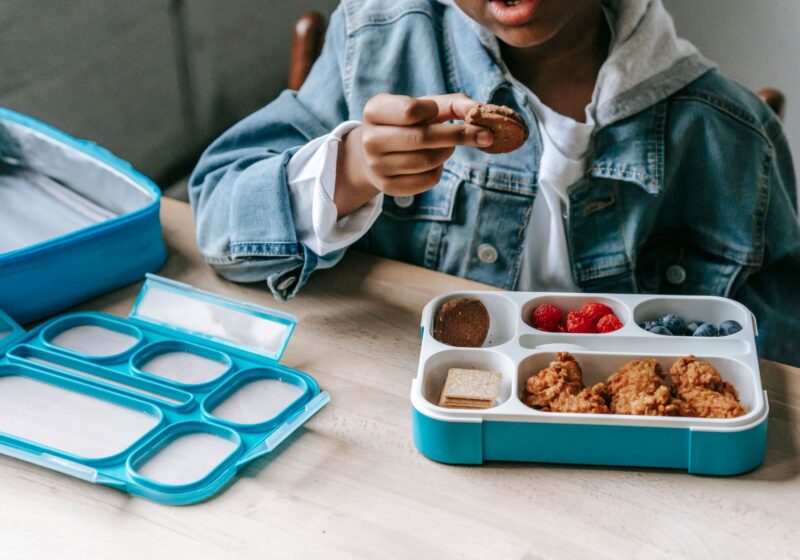
- Carry a small food container for half-portions
- Donate unopened food to homeless when leaving
If you want to go deeper on a related angle, our piece Low-Waste Restaurant and Café Habits That Cost Nothing picks up where this one leaves off.
Plan grocery purchases for the trip duration
For apartment-style accommodations with kitchens, buying groceries to match the trip duration prevents waste. Shopping for two days at a time, rather than a full week, makes better use of fresh ingredients. Markets sell exactly what you need; supermarkets often push you into oversized packs.
What this looks like the morning of departure
Three lived examples where the pattern becomes obvious. Each is a composite of two or three trips, chosen because the pattern repeats.
The family low-waste trip
A family of four on a one-week European trip, each member with their own reusable bottle and snack pouch. Apartment rental with kitchen for breakfasts and one dinner per day. The total trip waste is a fraction of the conventional version. The kids treat the practice as normal because everyone around them does.
The week with no bottled water
Seven days in a country with safe tap water using only refillable bottles. Roughly 25 plastic bottles avoided in one week. The water tastes the same; the savings are real. The habit becomes so automatic by the end of the week that you barely notice it.
The long-haul flight done lightly
A 10-hour flight with snacks packed from home, a reusable bottle filled at the gate water station, declined cabin water bottles in favor of refills, wired earphones instead of disposable ones. The total flight waste from your seat: a small wrapper and a napkin.
How the practice pays back
There’s a meditative quality to low-waste travel. You become aware of what you accept and what you refuse. The default routine of modern travel, accept everything offered, gives way to a more conscious one. The trip becomes a series of small decisions made deliberately. This is, oddly, part of what makes the practice feel rewarding rather than burdensome.
The aggregate matters here in a way that’s easy to miss. Single-use plastic is a personal problem multiplied across millions of small users. Each individual refusal seems trivial; together, the refusals accomplish what no regulation has managed. Industries are responsive to consumer demand more than to advocacy alone. Visible, consistent refusal at scale is one of the most effective levers ordinary people have.
The one line for a sticky note
Make the habits invisible to yourself. The reusable bottle lives in your day pack permanently. The reusable cup hangs from a clip on the outside. The folding tote stays in the side pocket. When the gear is just there, the habit doesn’t require a daily decision. The decision was made once; the practice continues automatically.
A quiet parting note
The best argument for sustainable travel isn’t moral; it’s experiential. The trips done this way tend to be better trips. Slower mornings. Deeper conversations. More memorable meals. Less stress at the airport. The eco-impact is the bonus; the better experience is the point.
Want to keep reading? Try Fair Trade and Ethical Shopping While Traveling next, it’s one of the most-read pieces we’ve published on this theme.
Frequently asked questions
How do I handle food poisoning concerns with leftovers?
If a hotel room has a fridge, leftovers from a sealed container are safe overnight. Cold cuts and dairy are riskier than vegetables and grains.
Are doggy bags ever inappropriate?
In some upmarket restaurants, especially in Western Europe and Japan. When unsure, ask discreetly; the answer reveals local norms.
What about street food and food trucks?
Order smaller portions, eat immediately, and don't over-buy. Street food rarely produces personal food waste because it's designed for immediate eating.
How do I plan grocery shopping for a short stay?
Buy small fresh items (1-2 days worth) and dry staples that can be carried forward or shared with future guests of the accommodation.
Is composting food waste while traveling possible?
Some accommodations offer compost bins. Where they don't, prevention is more practical than disposal.