
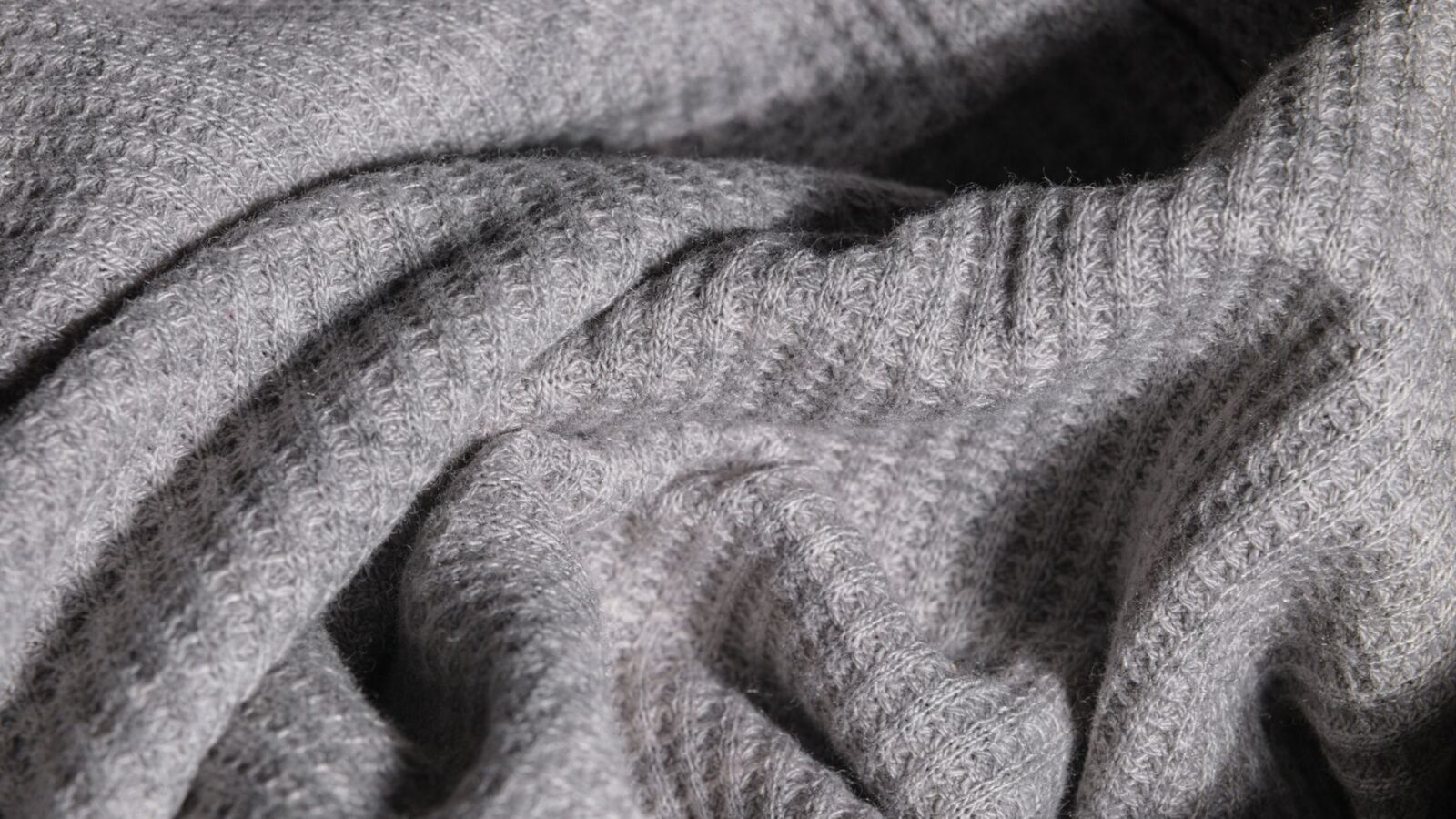
Five shirts, three weeks, one carry-on. That was the brief editors on our team gave themselves last spring on a rail loop through Portugal and northern Spain: no laundromats booked in advance, a 7 kg bag limit on the Alfa Pendular between Lisbon and Porto, and hostel sinks as the only guaranteed washing setup. Two testers packed polyester tees. Two packed merino wool at 150 gsm. By day 4, the polyester shirts had to be rinsed nightly. The merino shirts were still on their second wear. That gap, small in a laundry basket, becomes the whole story when you are living out of a 40-liter pack.
This is why merino wool travel clothing keeps showing up in our packing lists for anything longer than a week, and why we still push back on the idea that it is a perfect fabric. It is not. But across four measures that actually matter on a long trip, the wool wins more often than the synthetics do.
Why odor is the whole game on a 3-week trip
The reason merino stays wearable longer has less to do with marketing and more to do with wool’s structure. Each fiber has a cuticle scale layer that absorbs moisture vapor (up to about 35% of its weight, per Woolmark’s fiber data) before it feels wet on skin. Bacteria that cause odor need liquid water and a stable surface to colonize. Polyester gives them both. Wool traps sweat inside the fiber core, where bacteria struggle to reach it, and the natural keratin has mild antimicrobial properties on top of that.
In practice, the difference we measured on that Portugal trip was straightforward. Polyester tees became noticeably sour after 6-8 hours of walking in 24 C weather. The 150 gsm merino tees from Icebreaker and Woolly reached that same point at roughly 3-4 days of similar wear. That is not marketing. It is one shirt doing the job of four.
Temperature range: one shirt, two climates
Long trips rarely stay in one climate band. A summer route through the Alps can swing from 8 C at a mountain hut to 29 C in a valley town on the same afternoon. Merino handles that range because wool’s crimped structure traps air (insulation when cold) and its moisture absorption pulls heat off the skin as it evaporates (cooling when hot). Polyester wicks fast but does not buffer.
The rough numbers we use when packing:
- 150 gsm merino: comfortable range roughly 15-28 C active, 20-25 C at rest
- 200 gsm merino: comfortable range roughly 5-20 C active
- 250 gsm merino: a midlayer, not a base, good to about 0 C when layered
- Polyester baselayer (~130 gsm): a narrower 18-26 C active window before it feels clammy
If you are moving between climates, one 150 gsm merino tee plus one 200 gsm long-sleeve covers most three-season travel. That is the pairing we recommend in our climate-appropriate packing notes.
Wash cycles and durability: the honest math
Here is where synthetics push back, and fairly. Merino wears through faster than polyester at the same weight. A 150 gsm merino tee will typically show pinholes at the shoulders or under the pack straps after 60-90 wears if you are hiking with a loaded 40 L bag. A polyester equivalent might reach 150-200 wears before it fails. That gap narrows if you pick blended merino (17.5 or 18.5 micron wool with 12-15% nylon core-spun through it), which is what most of the durable travel-specific pieces from Smartwool and Woolly now use.
Quick checklist: buying merino for a long trip
- Choose 17.5-18.5 micron wool. Finer than 17 pills faster; coarser than 19 itches.
- Look for a nylon core-spun blend of 12-17% for pack-strap durability.
- 150 gsm for warm-weather tees, 200 gsm for cool-weather long sleeves.
- Flatlock seams under the arms and at the shoulders reduce chafe on 10+ hour travel days.
- Check for RWS or ZQ certification on the label for verified non-mulesed sourcing.
- Wash cold, hang dry, skip the dryer to double the garment’s lifespan.
Microplastic shedding: the environmental case
This is where the sustainability argument stops being fuzzy. Every wash of a synthetic garment releases microfibers. A 2016 study cited by the UN Environment Programme found a single polyester fleece can shed over 250,000 microfibers per wash. Newer estimates for polyester tees run lower, roughly 700-4,000 fibers per wash depending on machine and detergent, but the direction is the same. Merino wool is biodegradable in soil and marine environments within months to a few years, versus centuries for polyester.
The catch: producing wool has its own footprint. Sheep methane emissions are real, and land use per kilogram of wool is high. What tilts the balance for travel clothing specifically is the wear-to-wash ratio. If one merino tee replaces four polyester tees on a three-week trip, and lasts through 60-90 wears with a fraction of the wash cycles, the lifetime impact per wear tends to land in wool’s favor. This is the same logic we walk through in our piece on common packing mistakes that create waste.
Where synthetics still win
We would be lying if we said always pick wool. There are three situations where a good polyester or recycled-polyester piece is the better call:
- Genuinely hot and humid climates above 32 C. Merino at any weight starts to feel heavy in Bangkok in April. A recycled polyester tee dries faster after rain and handles repeat drenching better.
- Heavy sweat sports. Trail running for 4+ hours a day, cycling tours, anything where the shirt is soaked through repeatedly, chews merino apart at the shoulders. Synthetic wins here.
- Tight budgets under $30 per shirt. Quality merino starts around $60-80. Cheap merino (thin fabric, no blend) pills into uselessness inside a month. If the budget forces you below $30, a recycled polyester tee will outlast bad merino.
How to buy responsibly
The wool industry has real welfare and land-use questions. Two certifications do meaningful work: the Responsible Wool Standard (RWS) and New Zealand’s ZQ Merino Standard. Both audit against mulesing, land management, and animal welfare. Icebreaker, Woolly, Ibex, and Ridge Merino publish sourcing details down to grower groups. Patagonia’s merino line is RWS-certified and the supply chain is public, which makes it one of the easier brands to verify.
Two things we always check before buying:
- Is the certification named on the product page, not just the homepage?
- Does the brand disclose micron count and gsm? Vague labels (“premium merino”) usually mean thinner fabric and shorter life.
For the full carry-on kit that we build around three merino pieces, our minimalist carry-on guide and reusable travel gear essentials both walk through the pairings we have tested over multiple seasons. And if you are pairing this with the right pack size, our backpack sizing guide covers the 35-45 L window that makes a 3-shirt rotation possible.
The trip-length threshold
One last piece of practical math. Merino stops paying off below a certain trip length. Under 4 days, a synthetic tee gets you home before odor becomes a real issue, and you avoid the higher purchase cost. Between 5 and 10 days, merino starts to earn its place if you would otherwise pack extra shirts. Beyond 10 days, especially when laundry access is uncertain, we have not found a synthetic that competes on total packed weight and wearability. Our editors have run enough three-week loops now that the rotation has settled into a formula: two 150 gsm merino tees, one 200 gsm long sleeve, and one recycled polyester shirt for the hottest, wettest day. That is the kit. It fits in a 3 L packing cube. It smells fine on day 18.
Frequently asked questions
How many merino wool shirts do I actually need for a 3-week trip?
Two 150 gsm tees and one 200 gsm long sleeve cover almost any three-season itinerary. If you plan to rinse in sinks every 3-4 days, you can drop to one tee plus the long sleeve. Add a fourth synthetic piece only if you expect back-to-back days above 30 C or heavy trail running.
Does merino wool really not need washing, or is that a myth?
It needs washing, just less often. Bacterial odor is suppressed for roughly 3-7 wears at moderate exertion, but sweat salt, food stains, and dust still accumulate. A cold hand-rinse every 4-5 wears and a proper machine wash every 15-20 wears is the rhythm that keeps garments sanitary and extends life past 90 wears.
Is recycled polyester a better environmental choice than merino?
Not usually, for travel clothing specifically. Recycled polyester still sheds microplastics on every wash (estimates run 700-4,000 fibers per wash for a tee), and most rPET is still landfilled at end of life. Merino biodegrades in months to a few years. The exception is if you would otherwise buy virgin polyester and wash it rarely.
Will merino wool shirts itch or feel scratchy on skin?
Modern travel merino is spun from 17.5-18.5 micron fibers, well below the roughly 22 micron threshold where most people feel itch. Icebreaker Tech Lite, Smartwool Classic All-Season, and Woolly Ultralight all sit in the non-itchy range. If a merino shirt itches, check the micron count on the label. Anything above 19.5 will feel scratchy to most wearers.